
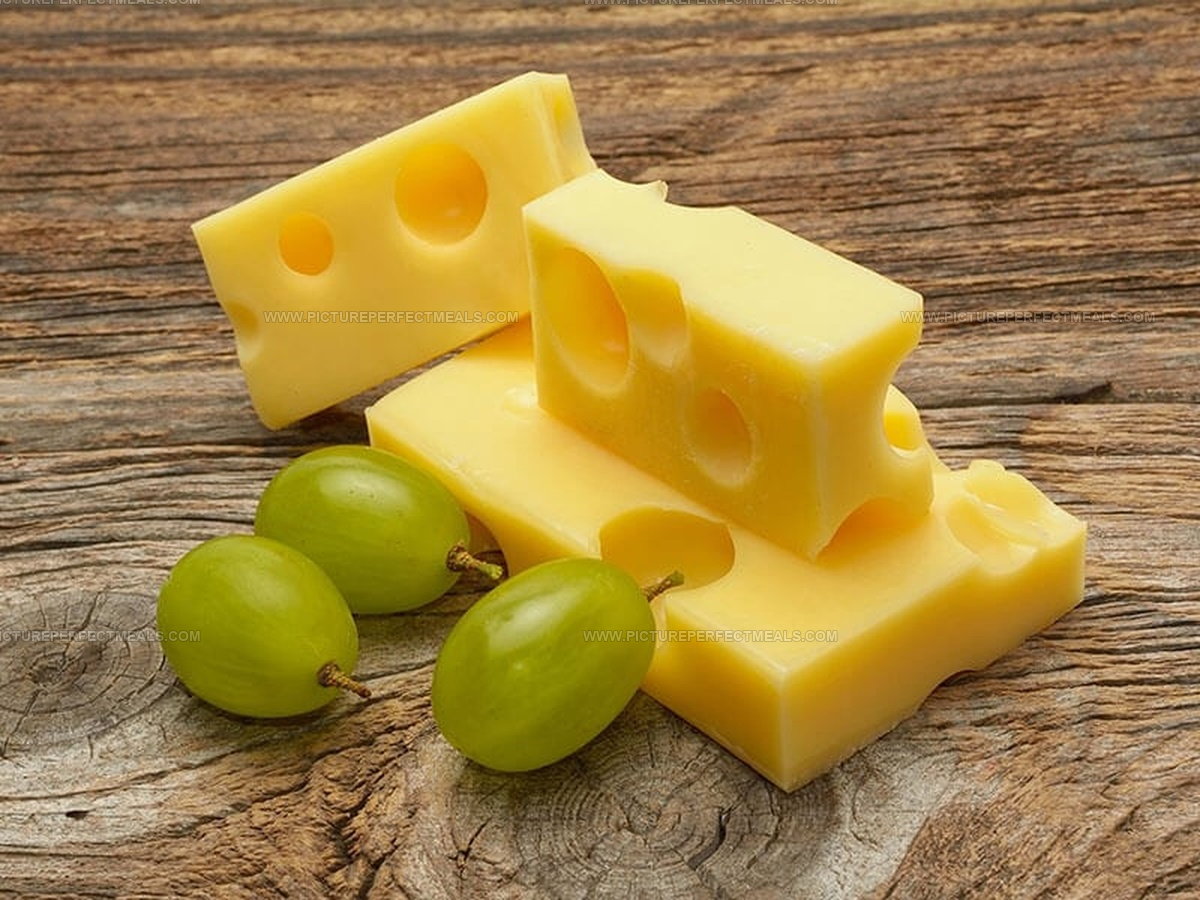
White or Yellow American: Cheese Texture and Taste

White vs. yellow American cheese has sparked many lively debates among sandwich enthusiasts and home cooks nationwide.
Mild, meltable slices share identical flavor profiles despite their different hues.
The yellow variety simply contains annatto, a natural food coloring derived from achiote seeds.
Both options perform equally well in classic grilled cheese sandwiches and atop juicy burgers.
Some regional preferences exist, with New England favoring white while other parts of America reach for yellow squares.
Neither choice affects the quintessential creamy texture that makes this cheese a comfort food staple.
You can substitute one for the other in any recipe without anyone tasting the difference.
Similarities of White and Yellow American Cheese
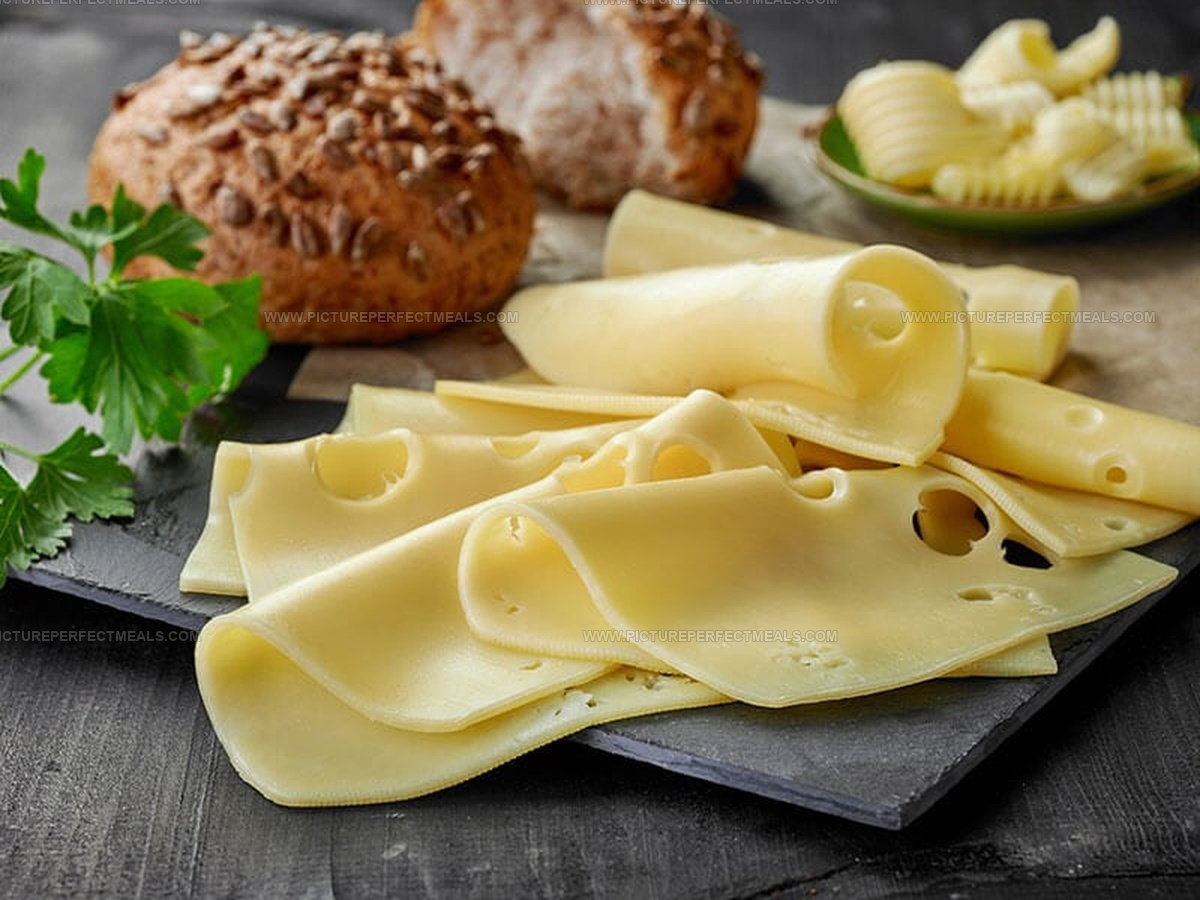
American cheese, officially known as pasteurized processed cheese food, comes in both white and yellow varieties. They melt easily, which makes them ideal for cooking and heating.
White and yellow American cheese share many similarities that make them popular choices for sandwiches, burgers, and snacks. Both types are processed cheeses, meaning they are made by blending natural cheese with emulsifiers, milk, and other ingredients to create a smooth, consistent texture and mild flavor.
Nutritionally, white and yellow American cheeses are quite similar, offering comparable amounts of protein, fat, and calcium.
They have several forms, such as wrapped slices (often called singles), shredded cubes, solid blocks, and spreads.
White vs. Yellow American Cheese: What Sets Them Apart
Comparing white and yellow American cheese reveals almost identical traits. After knowing their differences, the choice between them ultimately depends on your liking.
Here is a short table comparing white and yellow American cheese.
| Feature | White American Cheese | Yellow American Cheese |
| Production | Short whey draining; mild enzymes; no added color or spices | Longer whey draining; added cultures, spices, and annatto for color |
| Color | Whitish with slight yellow tint | Yellow due to beta-carotene from cow’s diet |
| Taste | Mild, salty, bland | Richer, sharper, tangy |
| Texture | Drier, crumbly, lower fat | Softer, smoother, higher fat |
| Uses | Melts well in dishes; good for spreading | Common topping for sandwiches; melts quickly but can be runny |
| Nutrition | Slightly less fat; varies by brand/form | Slightly higher fat; similar calories/protein |
Production Process
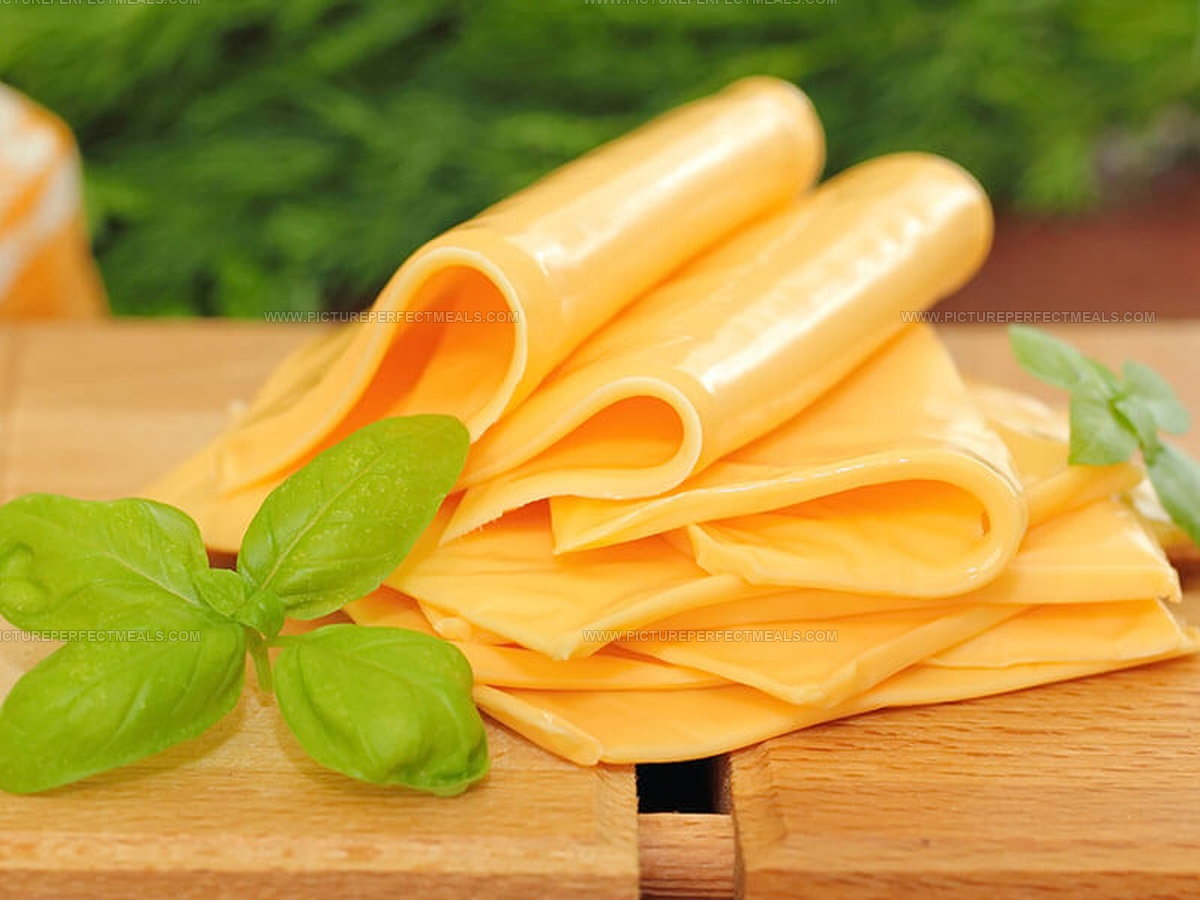
White American cheese is made with a shorter whey draining process, which means it keeps a bit more moisture but less fat. It usually doesn’t have added colors or spices, making it simpler and milder.
Yellow American cheese undergoes a longer draining process to remove more whey, resulting in a richer, creamier cheese. It also includes added cultures and spices for flavor, and annatto, a natural coloring, gives it that classic yellow hue.
Steps of Making White American Cheese
Step 1: Add a coagulant (usually calcium) to the milk to help it solidify into lumps called curds. Then, strain out the extra liquid whey to separate the curds.
Step 2: Drain the curds for a shorter time compared to yellow cheese, which means this cheese will have less fat.
Step 3: Heat the curds in a large pot of hot water to pasteurize the cheese and kill any harmful bacteria.
Step 4: Add enzymes like brine and rennet to help the small curds stick together.
Step 5: Let the cheese rest at room temperature for several hours until it’s ready.
Steps of Making Yellow American Cheese
Step 1: Add a coagulant to the milk to make it solidify. Unlike white cheese, yellow cheese curds are drained longer to remove more liquid instead of straining it away.
Step 2: Because of the longer draining, yellow cheese ends up with more butterfat. The liquid whey left out during white cheese making is actually part of yellow cheese.
Step 3: Add cheese cultures (good bacteria) to boost flavor and help the cheese develop.
Step 4: Mix in spices and seasonings to enhance taste. If you want a deeper yellow color, add annatto.
Step 5: The leftover whey from yellow cheese making is used to create other dairy products like yogurt, cottage cheese, and ricotta.
Color of Cheese
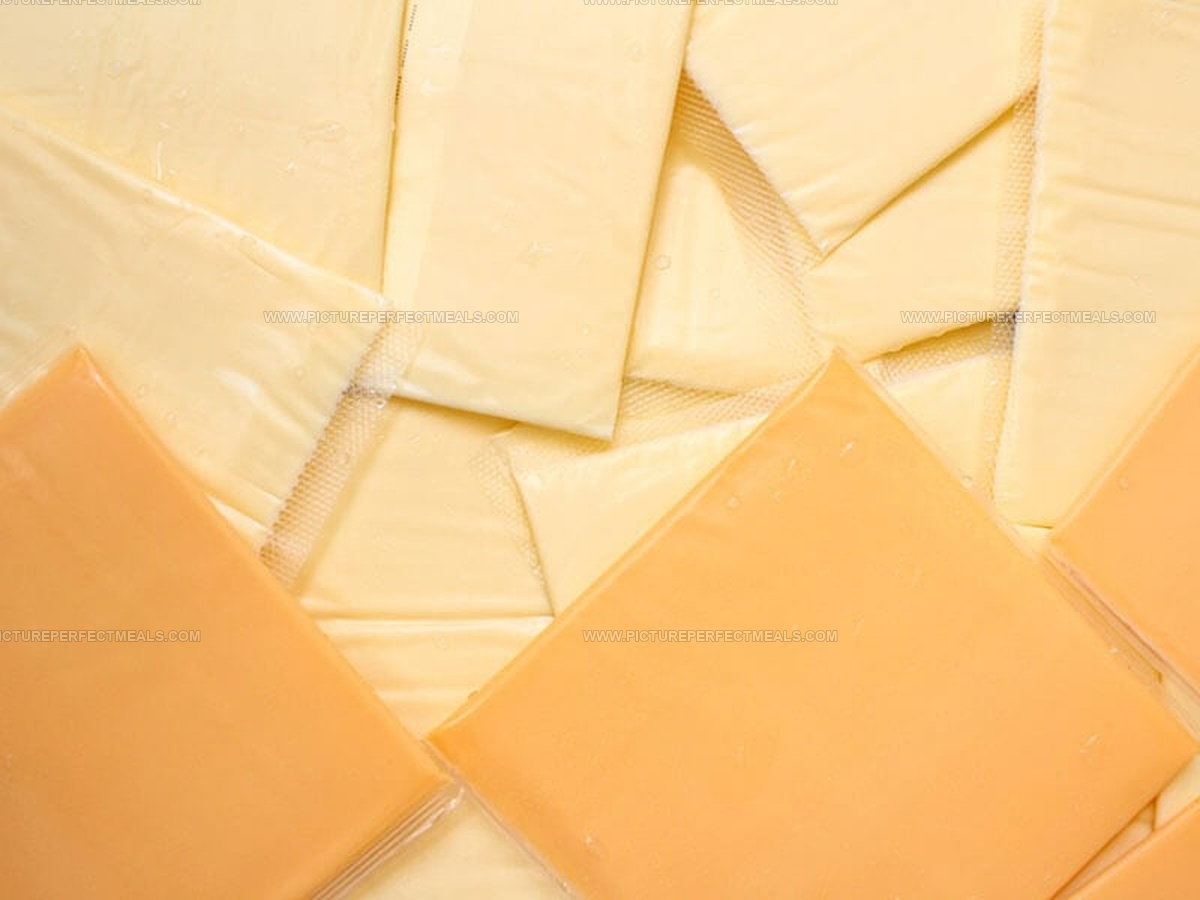
As the name suggests, white American cheese has a pale, creamy white color, sometimes with a slight yellowish tint from natural milk components.
Yellow American cheese gets its bright color mainly from beta-carotene, a pigment found in the cow’s diet of grass and vegetables. This color difference is one of the easiest ways to tell them apart.
Taste
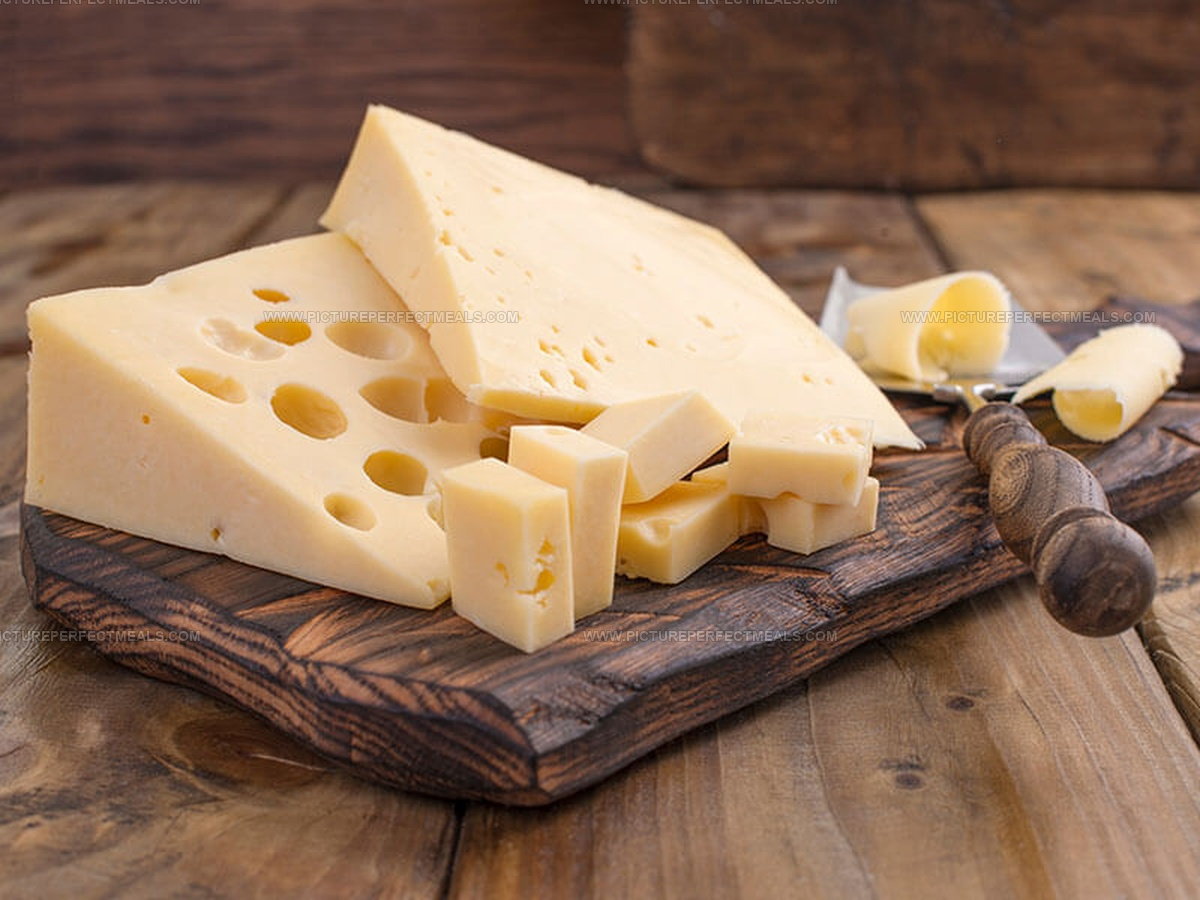
White cheese has a mild and salty flavor, making it versatile and approachable for many palates. It’s less intense, so it works well when you want a subtle cheesy taste.
Yellow cheese packs a richer, sharper, and tangier punch, thanks to the added cultures and spices. It’s perfect if you’re looking for a cheese that stands out more in your sandwich or burger.
Texture
White American cheese tends to be drier and crumblier because it has less fat due to the shorter draining time. This makes it great for spreading or melting smoothly in recipes like grilled cheese or casseroles.
Yellow cheese is softer and creamier, with higher fat content, which means it melts faster but can become a bit runny if overheated.
Different Applications
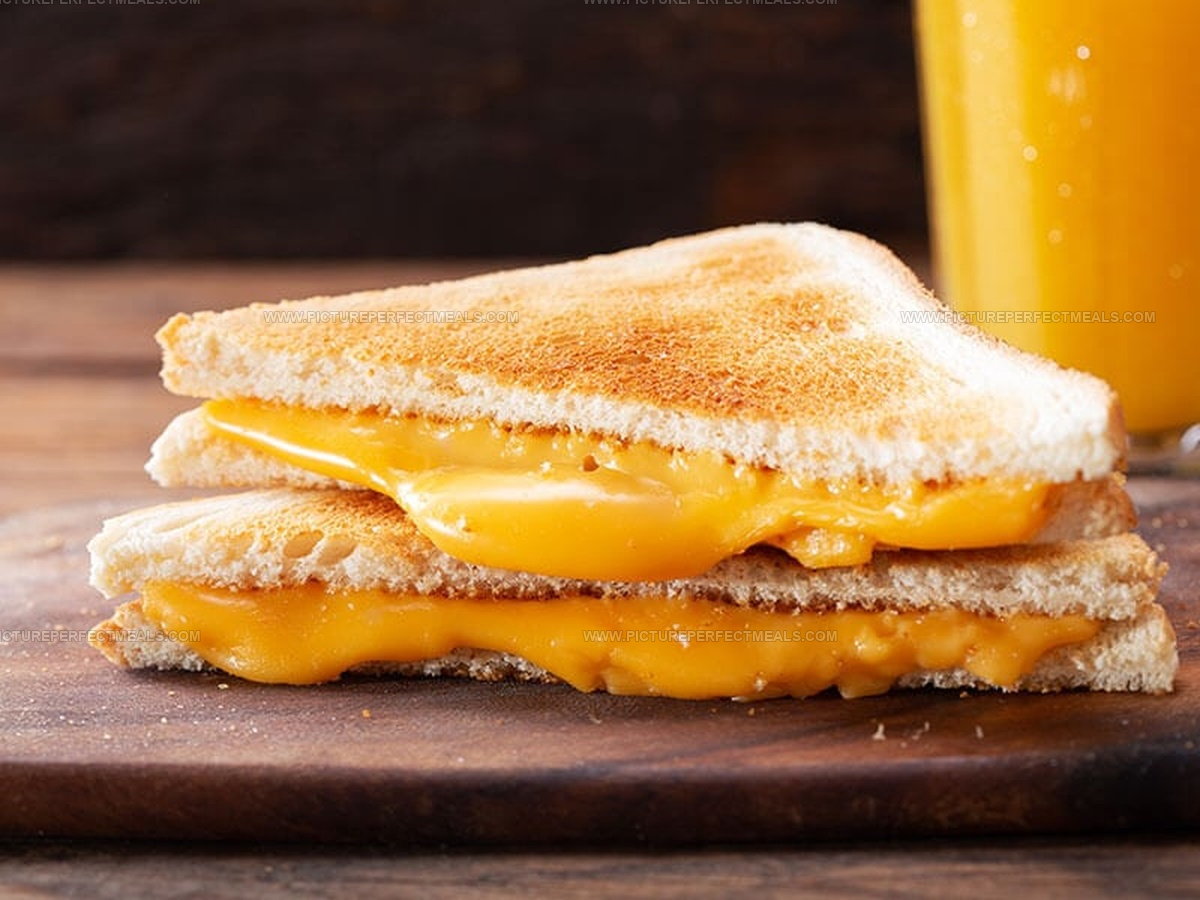
White American cheese stands out as a top choice for many restaurant chefs due to its excellent melting properties and ability to hold shape when heated. This versatile cheese can be easily crumbled or spread, making it perfect for countless recipes.
Many classic American dishes feature white cheese, from lasagna and cheeseburgers to grilled cheese sandwiches.
Yellow American cheese differs slightly, as it doesn't maintain its form as well after heating and tends to become runny when melted. People typically use yellow cheese as a topping for sandwiches, hotdogs, burgers, and salads to add that signature cheese flavor.
Nutrition Content
Both types are similar nutritionally, with high calories and fat content typical of cheese. White cheese usually has slightly less fat than yellow because of the production differences. Protein, calcium, and sodium levels are generally comparable but can vary by brand and form (sliced, spreadable, etc.).
If you have a mild dairy sensitivity, white American cheese might be easier to tolerate since it typically has less milk solids and fewer additives. Yellow cheese often contains more milk components and added ingredients, which could trigger allergies in sensitive individuals.
Shelf Life of White and Yellow American Cheese
Both White and yellow American cheese usually lasts about 3 to 4 weeks in the refrigerator when unopened. Once opened, try to use it within 1 to 2 weeks for best freshness.
Plus, keeping them tightly wrapped or in airtight containers helps maintain freshness longer and prevents drying out or absorbing other fridge odors.
Mouthwatering Recipes with White and Yellow American Cheese
Cheese lovers adore American cheese for its magical ability to transform everyday recipes. The white and yellow varieties melt into creamy pools of goodness.
Check out these recipes for more ideas.
American Grilled Cheese
White American cheese takes any grilled cheese to the next level with its perfect melt and savory flavor. The slightly salty taste blends beautifully with toasted bread, creating that stretchy, gooey middle we all crave in a classic sandwich.
For an even better meal, try serving your creation alongside a bowl of tomato soup, some crunchy pickles, or hot french fries on the side. These pairings really complement the rich, melty goodness between those golden slices of bread.
Traditional Yellow Queso
Yellow American cheese brings both rich flavor and smooth texture to elevate your queso beyond ordinary dips. This cheesy base blends perfectly with cheddar, cream cheese, sour cream, and a mix of seasonings for a truly mouthwatering experience.
Your homemade queso will become the star of any gathering when you combine these simple ingredients that complement each other so beautifully.
Creamy Mac and Cheese
Mac and cheese with yellow American cheese offers a creamier texture and saucier taste that won't disappoint. The rich yellow color makes this comfort food even more appealing as it melts perfectly, creating that smooth consistency everyone loves.
You can pair this dish with simple sides like steamed vegetables or garlic bread to complete their meal. Each bite delivers that warm, familiar flavor that feels like home, with the cheese coating every piece of pasta just right.
Precautions in Eating American Cheese
Watch sodium intake: American cheese can be high in sodium, which may affect blood pressure and heart health if consumed excessively.
Check for additives: Some brands contain preservatives, artificial colors (like annatto), and emulsifiers.
If you prefer natural options, read labels carefully.
Consider lactose intolerance: Although processed cheese has less lactose than fresh dairy, it can still cause issues for lactose-sensitive individuals.
Moderate portion sizes: American cheese is calorie-dense and high in fat, so enjoy it in moderation to avoid excessive calorie intake.
Avoid if on low-fat diets: Due to its fat content, it might not be suitable for strict low-fat diets unless consumed in small amounts.
Got Questions? We’ve Got Solutions
1. Are white and yellow American cheese nutritionally different?
No, white and yellow American cheese have identical nutritional profiles. The only difference is that yellow American cheese contains annatto, a natural food coloring derived from seeds that gives it the orange-yellow hue.
2. Which melts better for cheeseburgers?
Both melt equally well. American cheese (white or yellow) is specifically designed to melt smoothly, making either variety perfect for cheeseburgers, grilled cheese sandwiches, and mac and cheese.
3. Can I substitute one for the other in recipes?
Absolutely! You can swap white for yellow American cheese (or vice versa) in any recipe without affecting the taste or texture of your dish. The choice comes down to visual preference only.
4. Is one more traditional than the other?
Yellow American cheese is more traditional and widely recognized in the US, especially for classic dishes like grilled cheese sandwiches. White American cheese became popular later as a more "natural-looking" alternative.
Jenna Hartley
Founder & Recipe Creator
Expertise
Education
Box Hill Institute, Melbourne
William Angliss Institute, Melbourne
Jenna is the heart of Picture Perfect Meals, turning simple ingredients into beautiful, easy‑to‑make dishes.
Growing up around family meals in Melbourne, she trained at Box Hill Institute and then perfected her pastry skills at William Angliss Institute. She loves mixing classic Australian flavors with fresh ideas to keep cooking fun and stress‑free.