
Baking Cocoa or Cocoa Powder: Are They the Same?

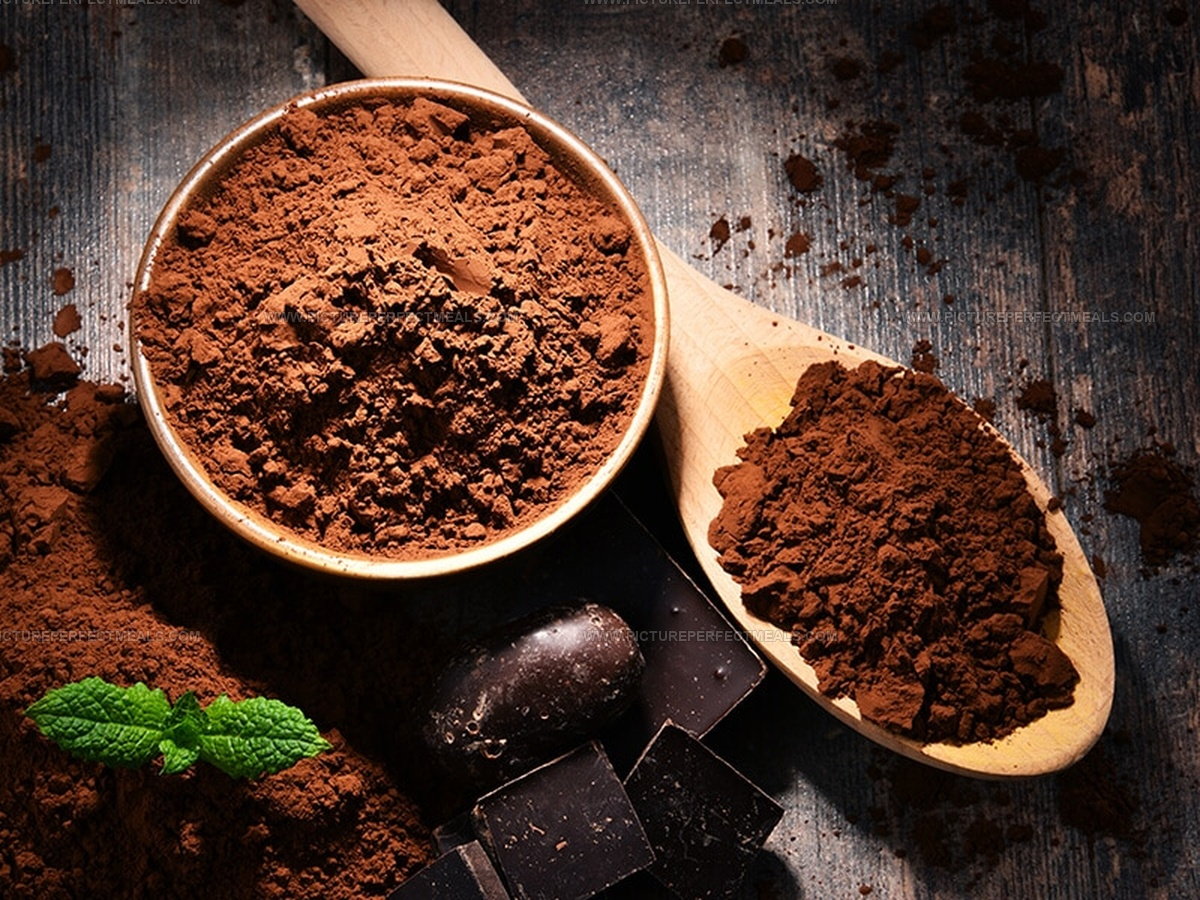
Baking cocoa and cocoa powder represent two popular options for chocolate lovers everywhere.
Versatile ingredients add rich flavor to countless dessert recipes across many cultures.
Most home bakers often wonder which one works best for their specific creations.
The main difference lies in their processing methods and fat content, affecting how they perform in various dishes.
Professional pastry chefs typically select one over the other based on the desired texture and intensity needed.
Both can transform ordinary treats into extraordinary chocolate indulgences with just a few tablespoons.
Next time you prepare brownies, cakes, or hot chocolate, knowing the distinct characteristics of each type will help you achieve perfect results every time.
Indulge in the World of Cocoa Powder
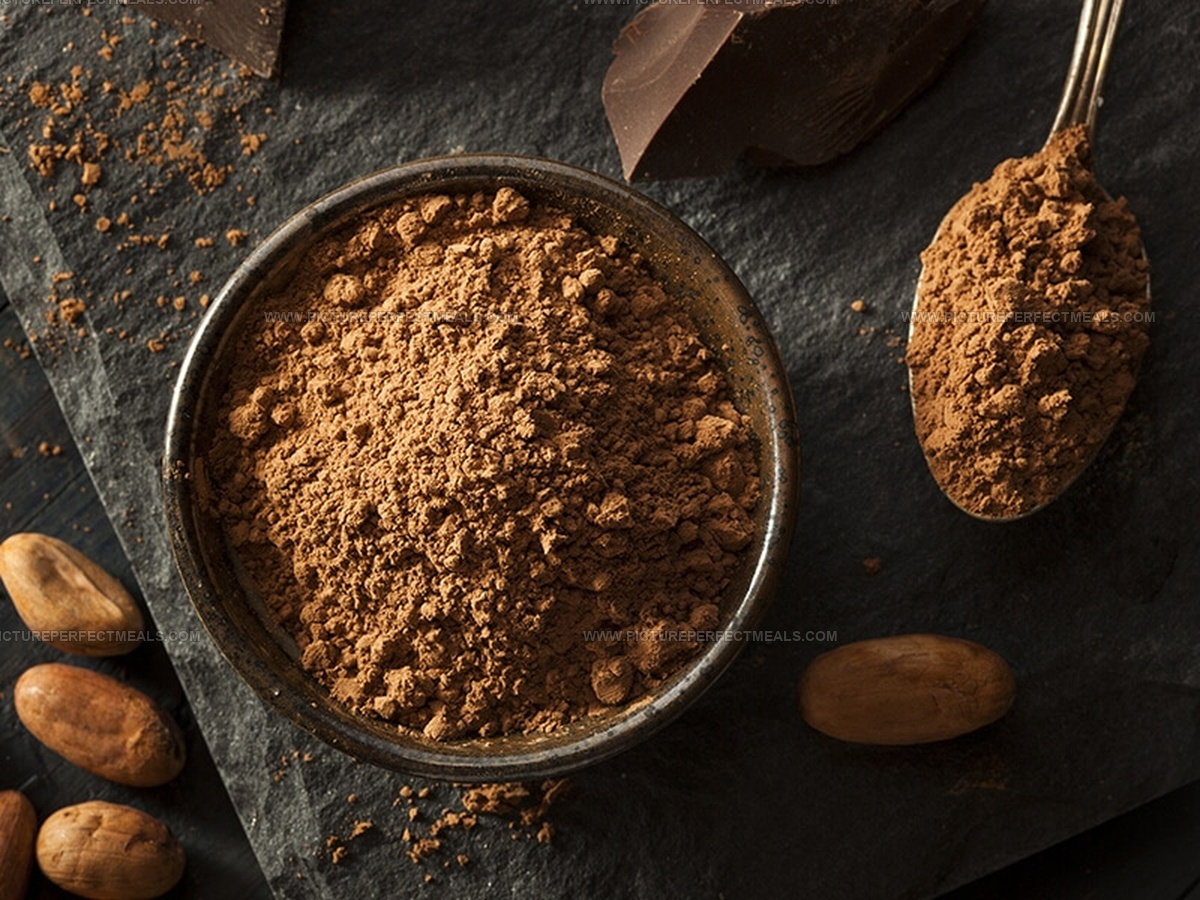
Cocoa powder made its debut in the early 1800s when Dutch chemist C.J. van Houten created this game-changing invention that revolutionized chocolate production forever.
The brown powder comes from cacao nibs with almost all cocoa fats removed, making it quite bitter and unsuitable for sweet treats without adding extra sweeteners. Many home bakers find cocoa powder tricky to work with because it absorbs moisture from its surroundings (it's hygroscopic).
For best results, store your cocoa in airtight containers to prevent it from spoiling quickly due to moisture absorption. Fascinating details about cocoa powder's origins, fat content, and other characteristics can enhance your baking knowledge and skills.
Cocoa Powder Production
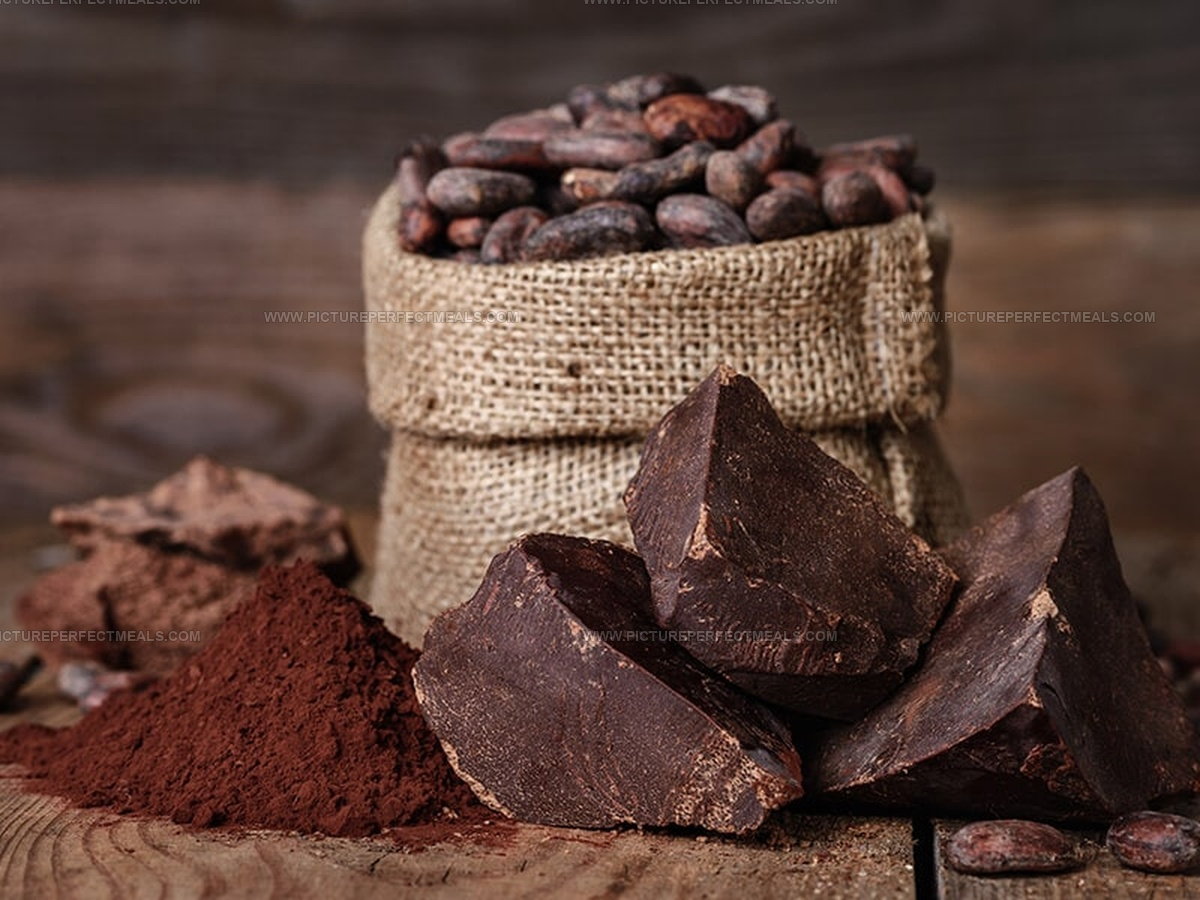
Cocoa powder production begins when farmers roast fermented cocoa beans between 212F and 248F for 45 to 70 minutes. After roasting, the beans go through several key stages: kibbling, grinding, and pressing, which help extract the chocolate liquor.
The process carefully removes all cocoa butter from the nibs, leaving just the pure cocoa liquor behind. This liquid undergoes drying before manufacturers grind it into the fine powder we recognize.
Since the method avoids additives or sweeteners, the final product maintains all the distinctive characteristics and natural flavors that make cocoa beans special.
Common Uses of Cocoa Powder
Baking: Essential in cakes, brownies, cookies, and other desserts for rich chocolate flavor.
Hot chocolate and beverages: Mixed with milk or water to make hot cocoa drinks.
Smoothies and shakes: Added to boost chocolate taste and nutrition.
Sauces and frostings: Used in chocolate sauces, ganache, and frosting recipes.
Dusting and garnish: Sprinkled over desserts like tiramisu or cappuccinos for decoration and flavor.
Savory dishes: Occasionally used in chili or mole sauces to add depth and complexity.
What is Baking Cocoa?
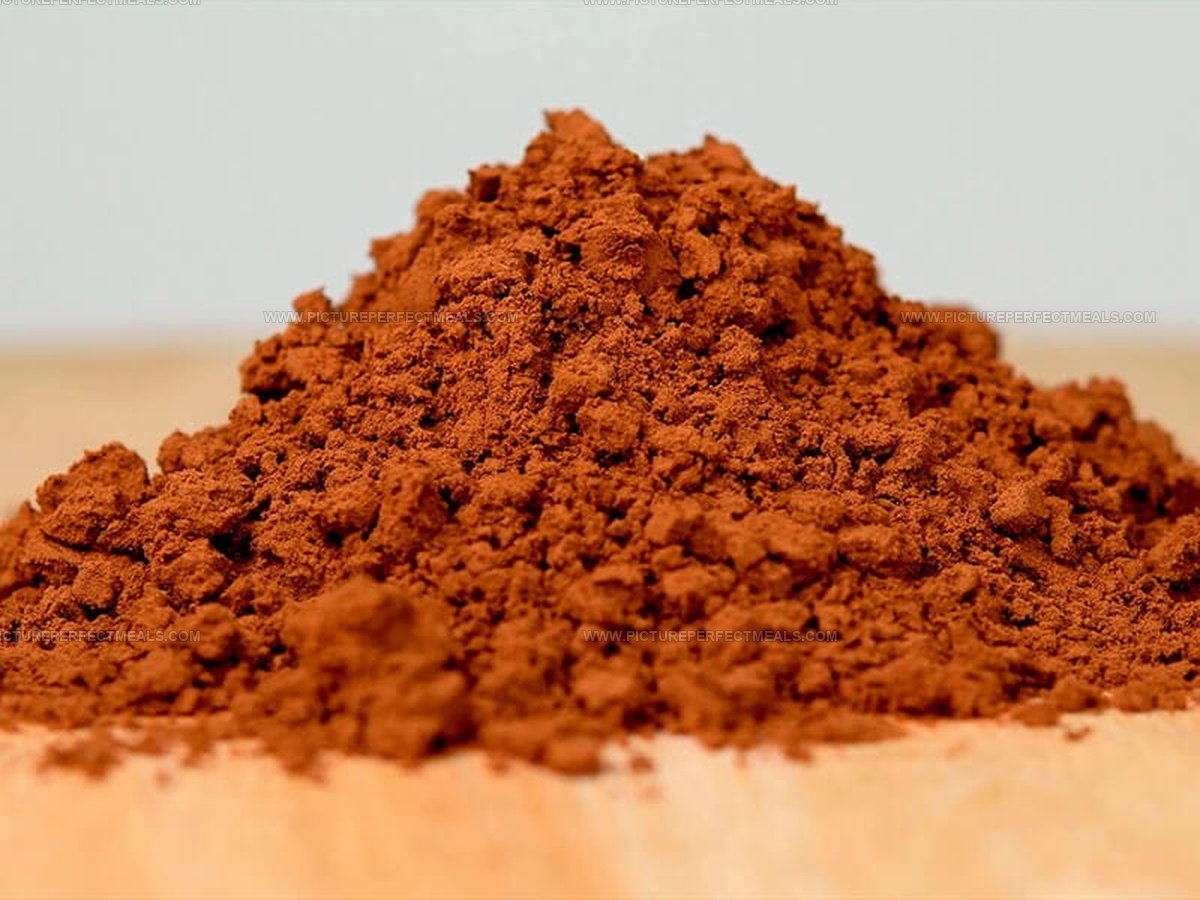
Baking cocoa is a type of cocoa powder specially processed and intended for use in baking and cooking. It is made by grinding roasted cocoa beans into a fine powder after removing most of the cocoa butter (fat).
Unlike natural cocoa powder, baking cocoa is often Dutch-processed (alkalized) to reduce acidity, giving it a smoother, milder flavor and a darker color. This treatment also affects how it reacts chemically in recipes, making it ideal for baked goods that use baking powder as a leavening agent.
Baking cocoa dissolves easily in liquids, making it versatile for use in cakes, brownies, sauces, and beverages.
Baking Cocoa Making Process
Making cocoa powder involves more than you might realize, especially when it comes to Dutch-processed varieties. During a process called alkalization or Dutching, manufacturers wash cocoa beans in potassium carbonate solution to neutralize their natural acidity.
Cacao nibs get treated with this alkali solution before moving through standard production steps like roasting and crushing, which raises their pH level to about 4. Dutch-processed cocoa creates a challenge for bakers because its neutral pH means it won't react with baking soda to help doughs rise.
For delicious, fluffy chocolate treats, adding extra baking powder becomes necessary to create that perfect leavening effect. Many home bakers don't know this crucial difference, which explains why some chocolate recipes fall flat despite following instructions perfectly.
Types of Baking Cocoa
Here are the main types of baking cocoa.
Natural Cocoa Powder
This is pure cocoa powder made from roasted cocoa beans without any added alkalizing agents.
It has a strong, slightly acidic, and bitter chocolate flavor.
It’s commonly used in recipes that include baking soda, which reacts with its acidity to help baked goods rise.
Dutch-Processed (Alkalized) Cocoa Powder
This cocoa powder is treated with an alkalizing agent (usually potassium carbonate) to neutralize its acidity.
It has a smoother, milder flavor and darker color. Dutch-processed cocoa pairs well with baking powder instead of baking soda.
Sweetened Baking Cocoa
Some baking cocoas come pre-sweetened with sugar and sometimes added flavors. These are less common for baking since recipes usually control the sweetness separately.
Black Cocoa Powder
A type of Dutch-processed cocoa that is heavily alkalized, resulting in an almost black color and very mild chocolate flavor. It’s often used to create deep-colored baked goods like “black velvet” cakes.
Baking Cocoa Vs Cocoa Powder: Key Differences Explained
Baking cocoa and cocoa powder have key differences that matter in your kitchen adventures. Check out this quick comparison that helps you pick exactly what your next recipe needs!
| Feature | Baking Cocoa | Cocoa Powder |
| Other Names | Dutch-processed cocoa powder, alkalized cocoa powder, sweetened cocoa powder, processed cocoa powder | Unsweetened cocoa powder, natural cocoa powder, pure ground cocoa powder, natural unsweetened cocoa powder |
| Color | Deep brown to black due to alkalization, darker with more alkali | Light to reddish-brown, lighter color carrying through to baked goods |
| Texture | Smooth texture, dissolves easily in hot or cold liquids due to alkalization | Sharper texture, less creamy, does not dissolve well in cold liquids |
| pH Level | Less acidic, neutralized by alkalization (pH 7–8) | More acidic (pH 5–6), retains natural acidity |
| Alkaline Treatment | Undergoes alkalization using potassium carbonate | No alkalization; pure cocoa nibs only |
| Flavor | Milder, sweeter, less acidic, less bitter due to loss of flavanols | Strong, bitter, acidic with deep chocolate flavor |
| Usage | Ideal for baked goods, dissolves well in hot and cold liquids, requires baking powder for leavening | Acts as a leavening agent with baking soda, better for hot recipes and savory dishes, not suitable for cold recipes |
| Leavening Role | No, requires baking powder since it is neutralized | Yes, reacts with baking soda for rising in baked goods |
| Nutritional Value | Lower carbs and calcium, fewer flavonoids due to alkalization | Higher carbs and calcium, contains beneficial flavonoids |
| Price | More expensive due to additional processing | Generally cheaper, less processed |
Color
Baking cocoa has a dark, rich color ranging from deep brown to almost black because of the alkalization process. This treatment deepens its hue, making it noticeably darker than natural cocoa powder.
Natural cocoa, on the other hand, has a lighter reddish-brown color that carries through to baked goods, giving them a classic chocolate tone. The variation in color is directly linked to the different chemical treatments each powder undergoes.
Texture
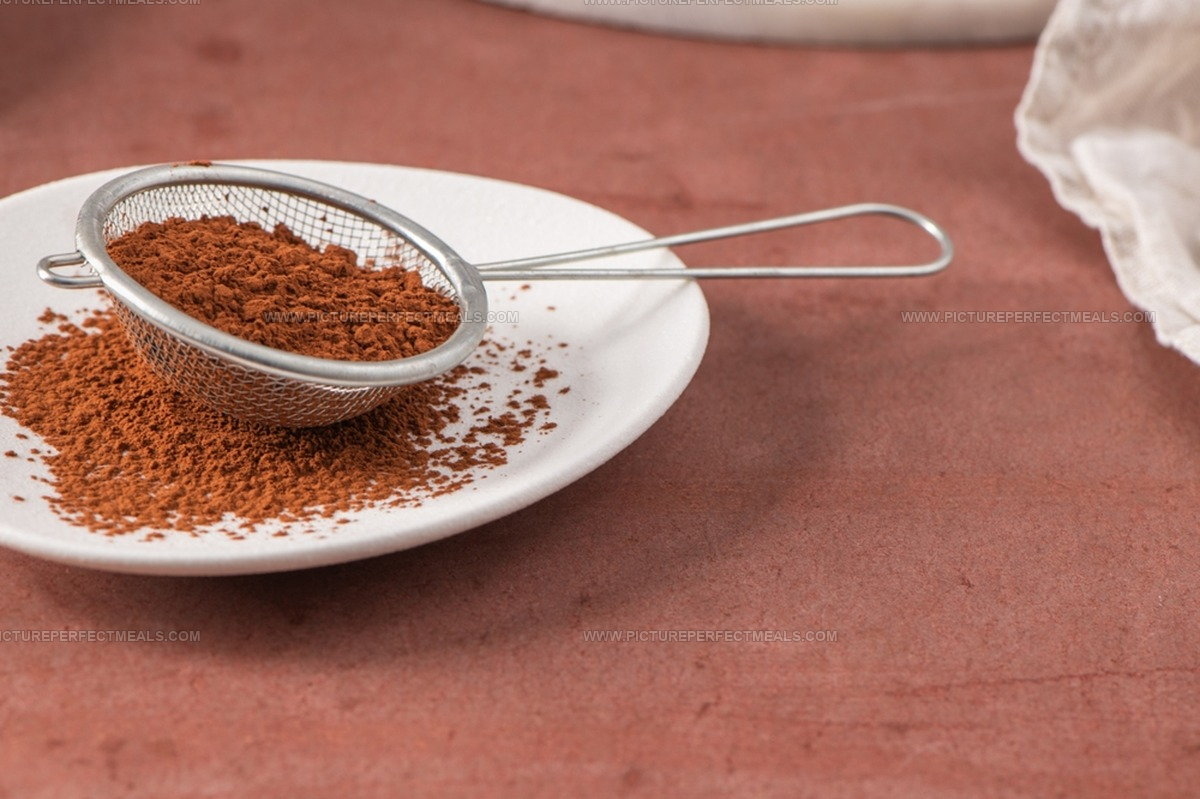
Due to its processing, baking cocoa boasts a smooth texture and high liquid absorption, which makes it easy to dissolve in both hot and cold recipes. Natural cocoa powder is coarser because most of the cocoa butter is removed, resulting in a sharper texture.
It doesn’t dissolve as well, especially in cold liquids, and lacks the creamy mouthfeel that baking cocoa offers.
pH Levels
The key difference in acidity defines these two types. Natural cocoa powder is acidic, with a pH between 5 and 6, which contributes to its tangy, sharp flavor.
Baking cocoa has a neutral to slightly alkaline pH of 7 to 8, thanks to the alkalization process, resulting in a milder, less acidic taste. This difference in pH also affects how each powder interacts in recipes, particularly with leavening agents.
Alkalisation Treatment
Baking cocoa undergoes alkalization, where potassium carbonate is added to neutralize its acidity. This chemical treatment changes the powder’s color, texture, and flavor, making it smoother and less bitter.
Natural cocoa powder skips this step entirely, preserving its original acidic nature and stronger chocolate flavor.
Flavor
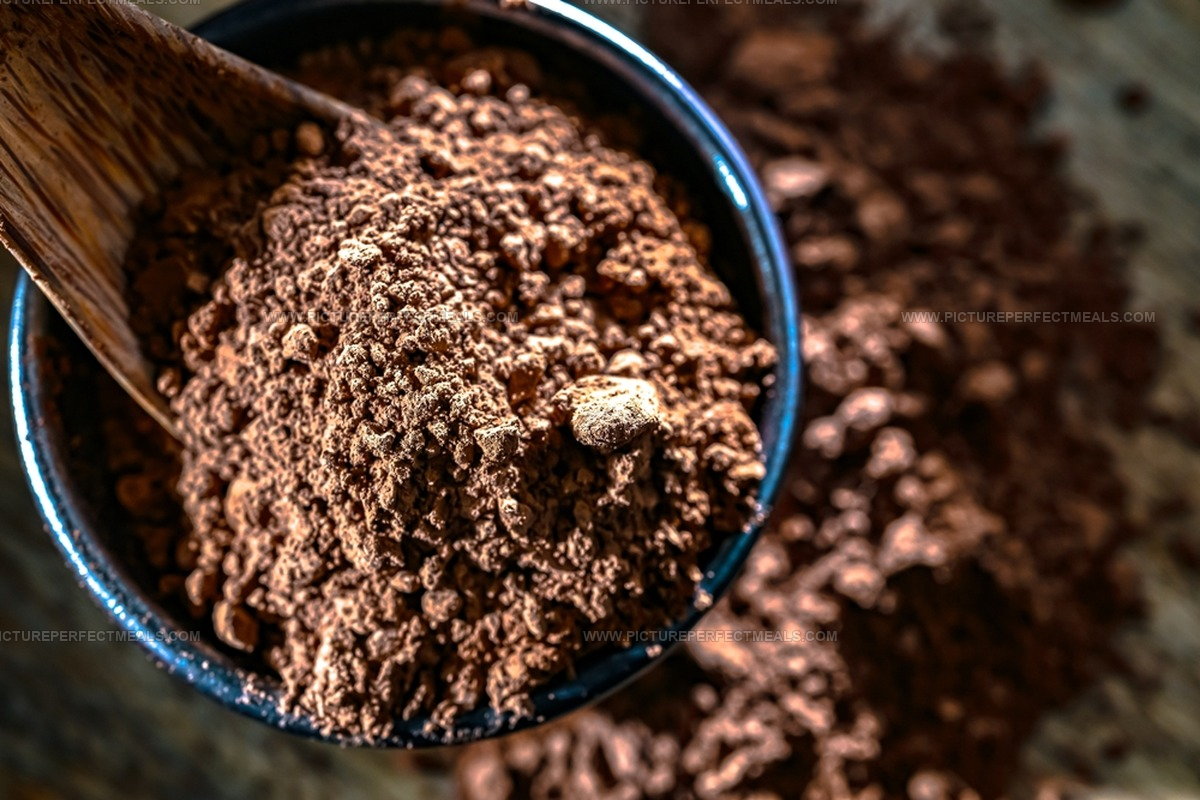
Natural cocoa powder has a robust, bitter, and somewhat acidic flavor, prized by chocolate purists for its intense taste. Baking cocoa, in contrast, offers a sweeter, milder chocolate flavor with little to no acidity, which many find more approachable.
The alkalization removes some of the natural bitterness, making baking cocoa better suited for recipes needing a gentler chocolate note.
Price
Natural cocoa powder tends to be less expensive because it requires less processing. Baking cocoa costs more due to the additional alkalization step, which adds to manufacturing complexity and ingredients.
The higher price reflects this extra work and the smoother, more versatile product that results.
Usage
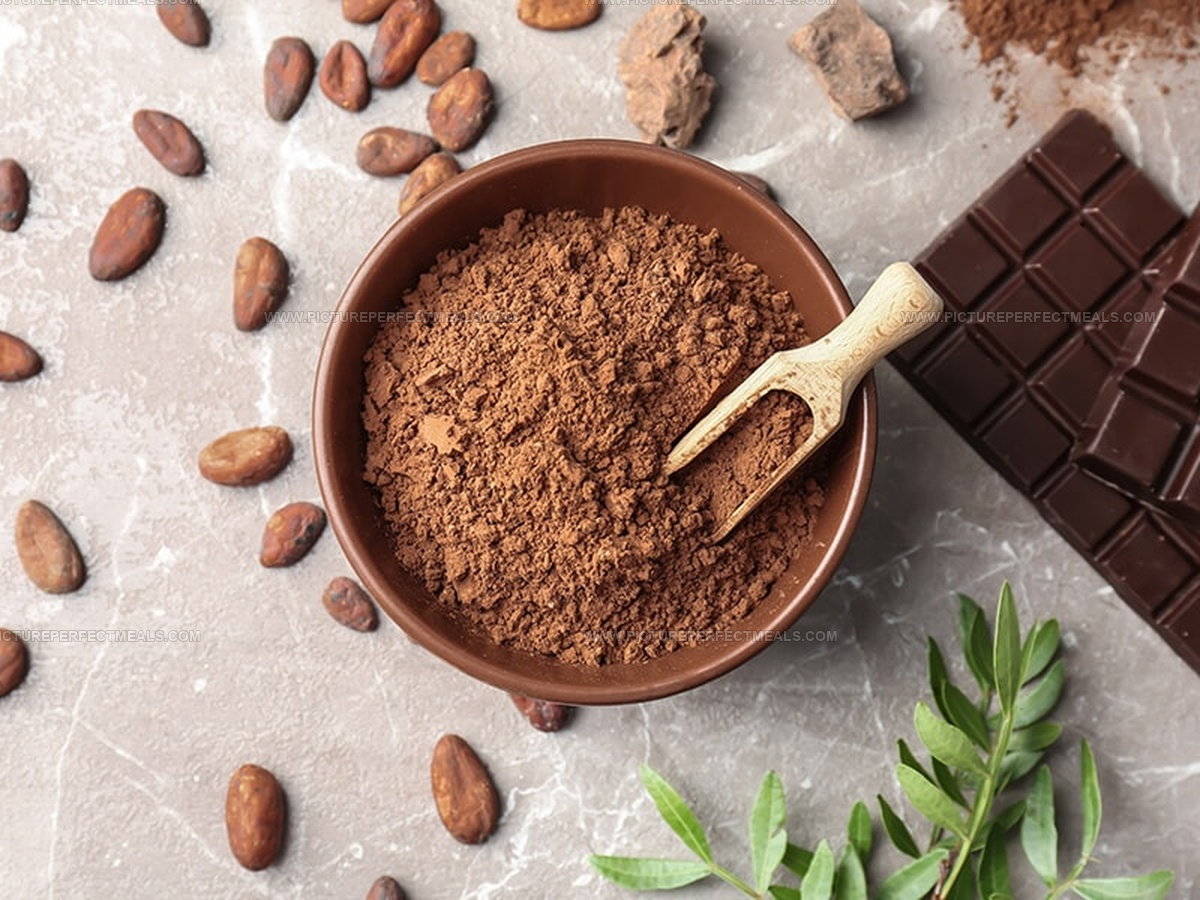
Natural cocoa powder acts as a leavening agent in recipes because its acidity reacts with baking soda, helping baked goods rise. It’s better suited for hot dishes and savory recipes but doesn’t dissolve well in cold liquids.
Baking cocoa, with its neutral pH, won’t react with baking soda and is typically used with baking powder or in recipes that don’t require leavening. It dissolves well in both hot and cold recipes, making it ideal for smoothies, milkshakes, and baked treats like brownies.
Nutritional Values
Baking cocoa contains fewer carbohydrates and less calcium than natural cocoa powder, partly due to the alkalization process. It also loses many of the beneficial flavonoid antioxidants found in natural cocoa, which have been linked to anti-inflammatory and disease-preventing properties.
Natural cocoa is considered healthier in terms of these phytonutrients, while baking cocoa offers a smoother taste at the cost of some nutritional benefits.
Can You Switch Between Cocoa Powder And Baking Cocoa?
You can switch between natural cocoa powder and baking (Dutch-processed) cocoa, but you need to adjust your recipe accordingly because they behave differently due to their acidity.
Natural cocoa powder is acidic and reacts with baking soda to help baked goods rise, so if you substitute it with alkalized baking cocoa, which is neutral, you’ll need to replace baking soda with baking powder to get the same leavening effect.
Conversely, if a recipe calls for baking cocoa and you want to use natural cocoa, adding baking soda is necessary to balance the acidity.
Replacing Baking Cocoa With Natural Cocoa Powder
You can easily swap Dutch cocoa for regular cocoa powder when baking with baking powder. Use them in a 1:1 ratio without any trouble.
To help your baked goods rise, add 1/8 teaspoon of baking soda for every 3 tablespoons of cocoa powder. If you don’t have baking soda, you can use lemon juice, cream of tartar, or vinegar in the same amount instead.
If you prefer not to add any extra alkaline ingredients, you can also replace 3 tablespoons of cocoa powder with 2 tablespoons of baking cocoa.
Swapping Natural Cocoa Powder With Baking Cocoa?
You can swap baking cocoa for cocoa powder, but your treats may lose some of that rich chocolate flavor. If you do switch, use 1/2 teaspoon of cocoa powder for every 1/8 teaspoon of baking cocoa.
However, it’s best to follow the recipe’s original ingredient because even small substitutions can change the flavor and texture of your baked goods. Since baking is precise, minor ingredient changes can affect the final result, so think carefully before swapping these two powders.
What to Use If A Recipe Only Says Cocoa?
If a recipe just says “cocoa” without specifying the type, it can be confusing which one to use. In most cases, natural cocoa powder is the safest choice because Dutch-process cocoa became common only in the mid-to-late 20th century.
Classic American recipes usually call for natural cocoa. You can also check the ingredients list for clues: recipes with baking soda work best with natural cocoa due to its acidity, while recipes with baking powder pair better with Dutch-process cocoa.
This simple tip helps you decide which cocoa to use when you’re unsure. Many chocolate cake lovers wonder which cocoa makes the best dessert, and the choice between these two can really affect the final taste.
Storage Tips for Baking Cocoa and Cocoa Powder
What to Look for When Purchasing Baking Cocoa or Cocoa Powder
When buying baking cocoa or cocoa powder, consider these key factors:
Best Brands of Baking Cocoa and Cocoa Powder
1. Valrhona
Renowned for its premium quality and rich flavor, Valrhona offers both natural and Dutch-processed cocoa powders favored by professional bakers and chocolatiers.
2. Ghirardelli
Ghirardelli’s cocoa powders are widely available and consistently high quality, with options for both natural and Dutch-processed varieties, making them perfect for home baking.
3. Droste
This Dutch brand is famous for its authentic Dutch-processed (alkalized) cocoa powder, prized for smooth texture and mellow flavor, ideal for classic baking recipes.
Got Questions? We’ve Got Solutions
1. Can baking cocoa and cocoa powder be used interchangeably?
Yes, they're actually the same thing! Both terms refer to unsweetened cocoa powder that's been processed to remove most of the cocoa butter. You can substitute one for the other in any recipe without adjustments.
2. Which one is better for baking brownies or cakes?
Natural unsweetened cocoa powder works best in recipes with baking soda as it helps with leavening. Dutch-processed (alkalized) cocoa powder pairs better with baking powder and gives a smoother, less acidic flavor.
3. Do they have different caffeine content?
Both contain small amounts of caffeine - typically between 5-10mg per tablespoon, which is much less than coffee. The caffeine content is identical since they're the same product.
4. How should I store my cocoa powder?
Store in a cool, dry place in an airtight container. While it doesn't technically expire, cocoa powder's flavor quality diminishes after about 2 years. Refrigeration isn't necessary but can help preserve freshness in humid environments.
Jenna Hartley
Founder & Recipe Creator
Expertise
Education
Box Hill Institute, Melbourne
William Angliss Institute, Melbourne
Jenna is the heart of Picture Perfect Meals, turning simple ingredients into beautiful, easy‑to‑make dishes.
Growing up around family meals in Melbourne, she trained at Box Hill Institute and then perfected her pastry skills at William Angliss Institute. She loves mixing classic Australian flavors with fresh ideas to keep cooking fun and stress‑free.