
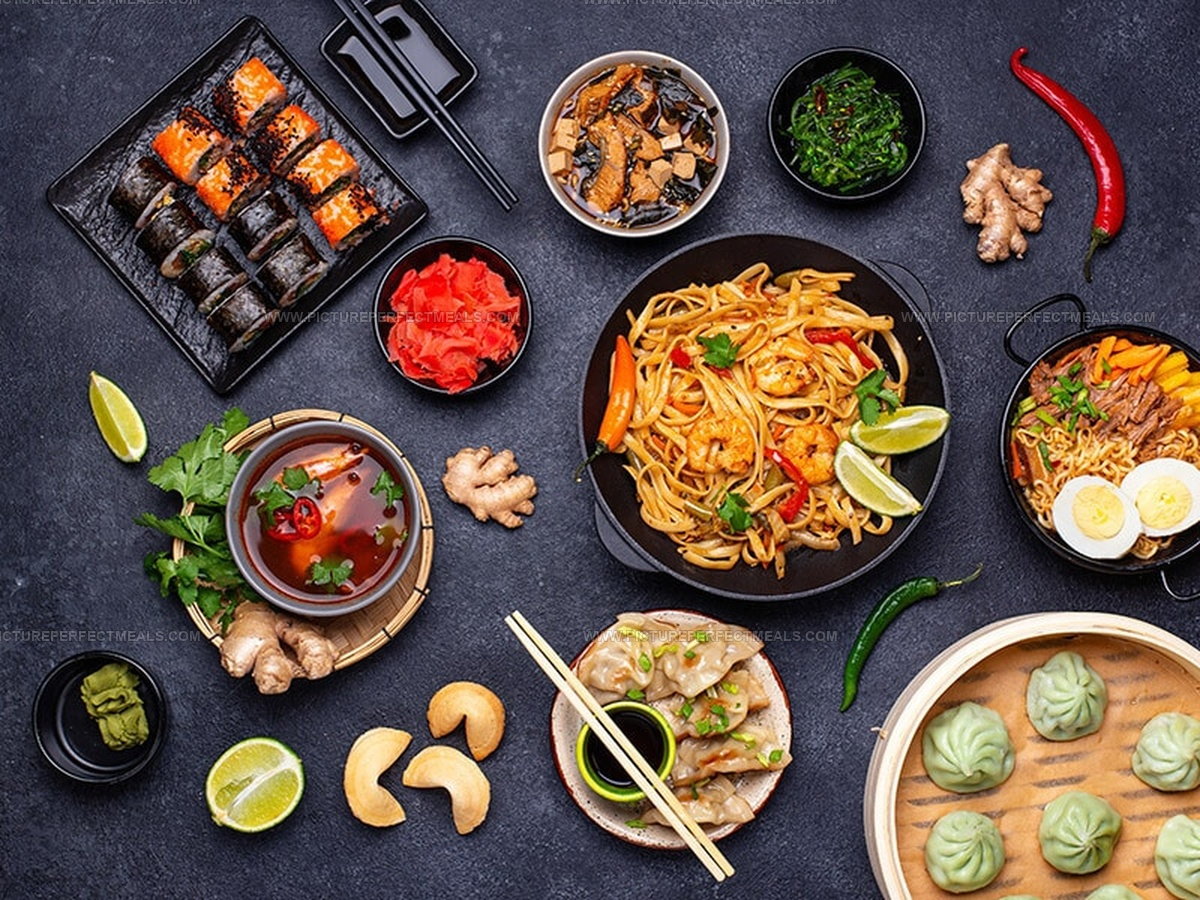
Korean or Japanese Food: A Global Cuisine Clash

Korean food has gained immense global popularity for its bold flavors and unique dining traditions.
The remarkable balance between spicy, fermented, and savory elements creates an unforgettable culinary experience for food enthusiasts everywhere.
Many dishes feature the iconic gochujang (red pepper paste) that delivers that characteristic heat Korean cuisine is famous for.
Traditional meals often include numerous side dishes called banchan, showcasing the diversity of preparation methods.
Japanese cuisine, in contrast, emphasizes subtle flavors, meticulous presentation, and seasonal ingredients that highlight natural tastes.
Both food cultures reflect rich historical traditions and regional variations that have evolved over centuries.
With so many delicious options from both countries, you can easily find something that perfectly matches your taste preferences.
The Essence of Korean Cuisine
Korean foods have grown and changed throughout many centuries, deeply connected to the ups and downs of Korea's political and social history.
The unique flavors we enjoy today come from a rich blend of old nomadic lifestyles and farming practices that shaped how Koreans prepared their meals.
As generations passed, these cooking methods evolved while maintaining their authentic roots.
Behind each traditional dish lies centuries of cultural wisdom passed down through families and communities.
Street food culture is also vibrant in Korea, offering a wide array of flavorful, convenient snacks that reflect the country’s culinary creativity.
Common Ingredients in Korean Food
Staple ingredients in Korean cuisine include rice, fresh vegetables, meats, seafood, and dairy products. Central to every Korean meal is kimchi - a fermented vegetable dish that adds a spicy, tangy punch and is served alongside almost every meal.
Korean families often keep jars of pickled and fermented foods, especially to prepare for the harsh winters when fresh produce is scarce. This seasonal approach results in an abundance of preserved foods like dried kimchi and fermented fish.
Korean Foods’ Key Flavors
Korean food is known for its bold and layered flavors, created through the use of key seasonings such as soy sauce, garlic, ginger, fermented chili paste (gochujang), and chili flakes. These ingredients give many dishes their signature bright red color and spicy kick.
Popular dishes often highlight this spicy and savory profile, with barbecue, hot pots, and noodle dishes being favorites. Soju, a traditional Korean alcoholic beverage, is commonly enjoyed in social settings alongside these meals.
How About Japanese Foods?
Japanese cuisine has endured throughout history, weathering economic, political, and social changes just like Korean food. The roots of Japanese cooking draw heavily from Chinese traditions.
In recent years, Western food has deeply shaped how Japanese meals look and taste today.
All these influences blend to create the unique dishes we now enjoy in Japanese restaurants worldwide.
Many classic recipes mix old techniques with new ideas, showing how this food culture keeps growing while honoring its past.
People everywhere have fallen in love with the balance and care that goes into each Japanese meal.
Japanese Foods’ Key Ingredients
Seafood plays a vital role in Japanese food culture, often appearing in dishes like tempura - where vegetables and seafood are lightly battered and deep-fried - and in raw forms such as sushi and sashimi, which have become iconic national dishes.
Noodles and simmered dishes are also essential to the Japanese diet.
Popular noodle varieties include udon and soba, while dishes like sukiyaki feature thinly sliced beef cooked in a savory broth. Although meat has gained popularity, fish remains the primary protein source, partly due to Buddhist influences that historically limited meat consumption, a practice that persisted into the modern era.
Influences On Japanese Cuisine
Japanese cuisine has embraced global influences, incorporating and adapting Western dishes such as spaghetti, hamburgers, and curry to fit local tastes and ingredients. Additionally, elements of Mexican and American cuisine have found their way into Japanese food culture, with Okinawan taco rice serving as a notable example.
Japan boasts the highest number of Michelin 3-star restaurants in the world, primarily concentrated in Tokyo, reflecting its refined culinary artistry. Recognizing its cultural significance, UNESCO designated Japanese cuisine as an Intangible Cultural Heritage in 2013.
The Comparion Of Korean and Japanese Foods
Recognizing differences between Korean and Japanese cuisine can be simple when you know what to look for. A quick glance at this table reveals these distinctive cooking philosophies that have evolved over centuries.
| Feature | Korean Food | Japanese Food |
| Preparation | Complex, with heavy marinating and spices | Simple, minimal marinating, natural flavors |
| Cooking Methods | Time-consuming; pickling, stewing, grilling | Quick, straightforward; simmering, steaming, frying |
| Taste | Bold, spicy, rich with fermented sauces | Light, subtle, delicate, less spicy |
| Accompaniments | Many side dishes (banchan) including kimchi | Fewer sides; mainly okazu with rice or noodles |
| Health | Higher calories, sugar, and spice levels | Generally healthier, lower sugar, more veggies |
| Price & Quality | Fresh ingredients, more affordable | Premium ingredients, higher cost |
| Etiquette | Formal rituals, careful arrangement | Polite but relaxed, focus on aesthetics |
The Preparation
Korean cuisine is known for its complexity in preparation. Ingredients, especially meats and vegetables, are often marinated extensively with a variety of spices, chili flakes, and sauces before cooking.
This results in rich, layered flavors that are signature to Korean dishes. In contrast, Japanese cuisine emphasizes simplicity and purity of ingredients.
The Japanese typically use minimal seasoning or marination, aiming to highlight the natural flavors of fresh, high-quality ingredients. Seasoning is often added after cooking rather than during preparation.
The Cooking Methods
Cooking Korean food tends to be more time-consuming and involves multiple steps such as pickling vegetables, slow stewing, grilling, and pan-frying. Many Korean dishes require preparation of condiments like kimchi or spicy sauces, which add to the overall complexity.
On the other hand, Japanese cooking methods focus on simplicity and speed, with techniques like simmering (niru), steaming (musu), and frying (ageru) being common. Japanese home cooking usually involves quick preparation with fewer ingredients, though restaurant dishes can be more elaborate.
Taste
Korean food is famous for its bold and spicy flavors, often achieved through the generous use of chili powder, chili paste (gochujang), garlic, and fermented sauces. The strong, intense taste is a defining characteristic that appeals to those who enjoy robust and fiery dishes.
Japanese cuisine, by contrast, is known for its subtlety and balance. It highlights the natural sweetness and freshness of ingredients, using lighter seasoning.
The flavors tend to be more delicate and less spicy, offering a refreshing and clean taste experience.
Accompaniments
A typical Korean meal includes a wide variety of side dishes known as banchan, which can include multiple types of kimchi, pickled vegetables, soups, and stews. These sides complement the main course and add diversity to the meal.
In Japanese cuisine, accompaniments are simpler and fewer, often focusing on okazu - small dishes of vegetables, fish, or tofu served alongside rice or noodles. The Japanese table generally presents fewer side dishes, emphasizing minimalism and harmony.
Healthy Impact
Japanese cuisine is generally considered healthier due to its lower use of sugar and fat, and its emphasis on fresh vegetables, seafood, and lean proteins. The mild seasoning and cooking methods help retain nutrients.
Korean food, while nutritious and rich in fermented foods beneficial for gut health, tends to have higher calories and sugar content due to its spicy sauces and pickled ingredients. The frequent use of chili can also affect those sensitive to spicy foods or certain health conditions.
Price and Quality
Both Korean and Japanese cuisines prioritize fresh ingredients over canned or processed foods. However, Japanese dishes often use more premium and carefully selected ingredients, which can make dining out in Japan pricier than in Korea.
Japanese restaurants typically have higher standards for ingredient quality and presentation, reflecting the cuisine’s emphasis on precision and refinement. Korean cuisine is widely enjoyed at various price points, with many affordable street foods and home-cooked style dishes.
Etiquette
Both cultures have distinct dining etiquettes that reflect their histories and social customs. Korean dining involves formal rituals and careful arrangement of multiple dishes on the table, reflecting respect and community.
Japanese dining etiquette emphasizes politeness, the use of chopsticks, and appreciation for the aesthetics of the meal. The Japanese often express gratitude before eating and pay close attention to manners such as returning utensils to their place.
Korean meals are more communal and lively, while Japanese meals tend to focus on quiet enjoyment and mindfulness.
The Similarities Between Korean and Japanese Foods
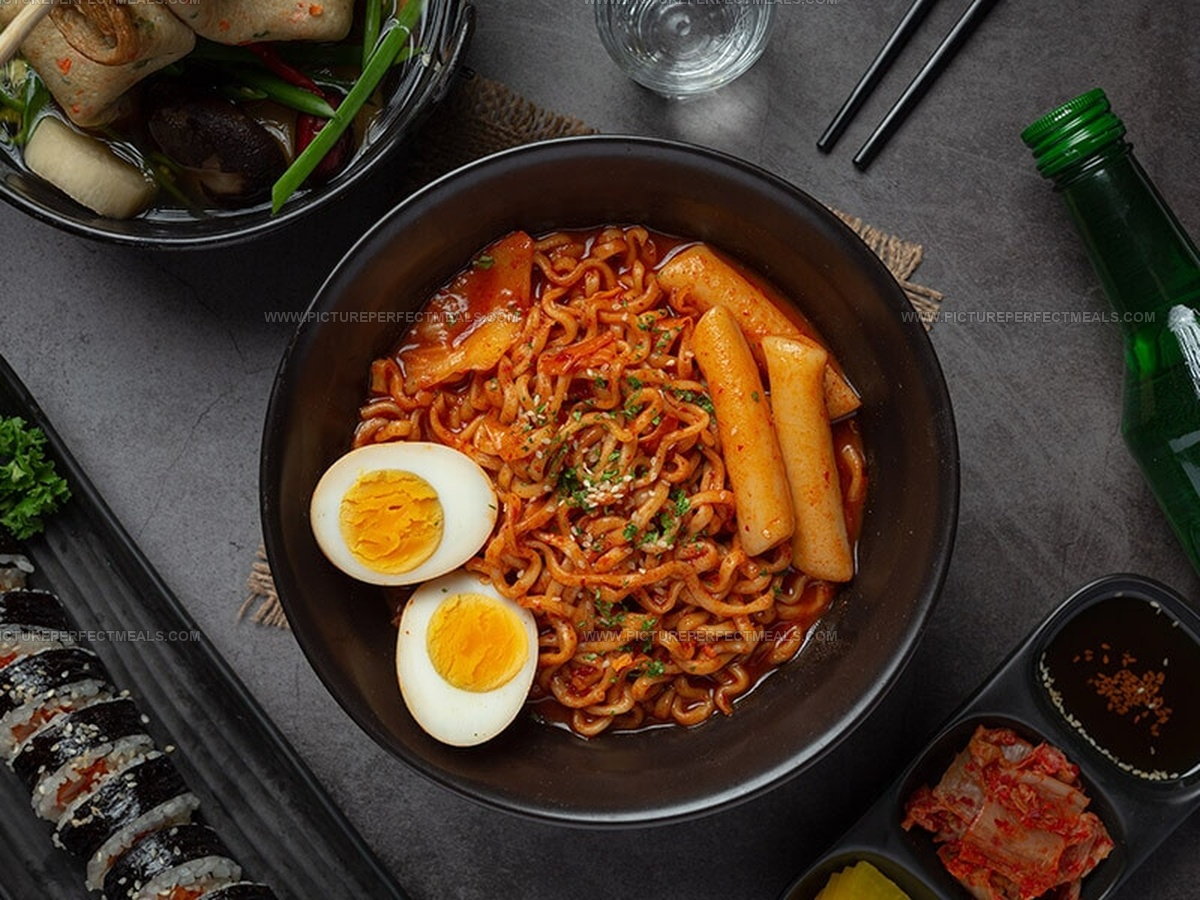
Korean and Japanese cuisines share many fascinating similarities despite their differences. Both food traditions value fresh ingredients instead of canned options, with locals preferring to purchase meat, vegetables, and seafood from markets for immediate cooking.
At mealtimes in both countries, you'll notice numerous small bowls and plates covering the table as portions tend to be modest. Rice, pickles, and soy sauce appear regularly in both food cultures as essential staples, with steamed rice typically paired with flavorful main dishes.
These core ingredients also play important roles in making sushi, noodles, and rice rolls, while soy sauce enhances flavors or serves as a dipping option.
Noodle dishes hold special places in both cuisines - Korea offers Bibim, Guksu, Naengmyeon and Japchae, while Japan is known for Ramen, Udon and Soba varieties.
Iconic And Amazing Food Of Korean Cuisine
Korean food is easy to find and incredibly tasty during your travels. After sampling these dishes, you can quickly master their recipes and cook them at home for family members or special people in your life.
The skills needed are simple enough to pick up right away, giving you a chance to share authentic Korean flavors without waiting for another trip.
Gimbap
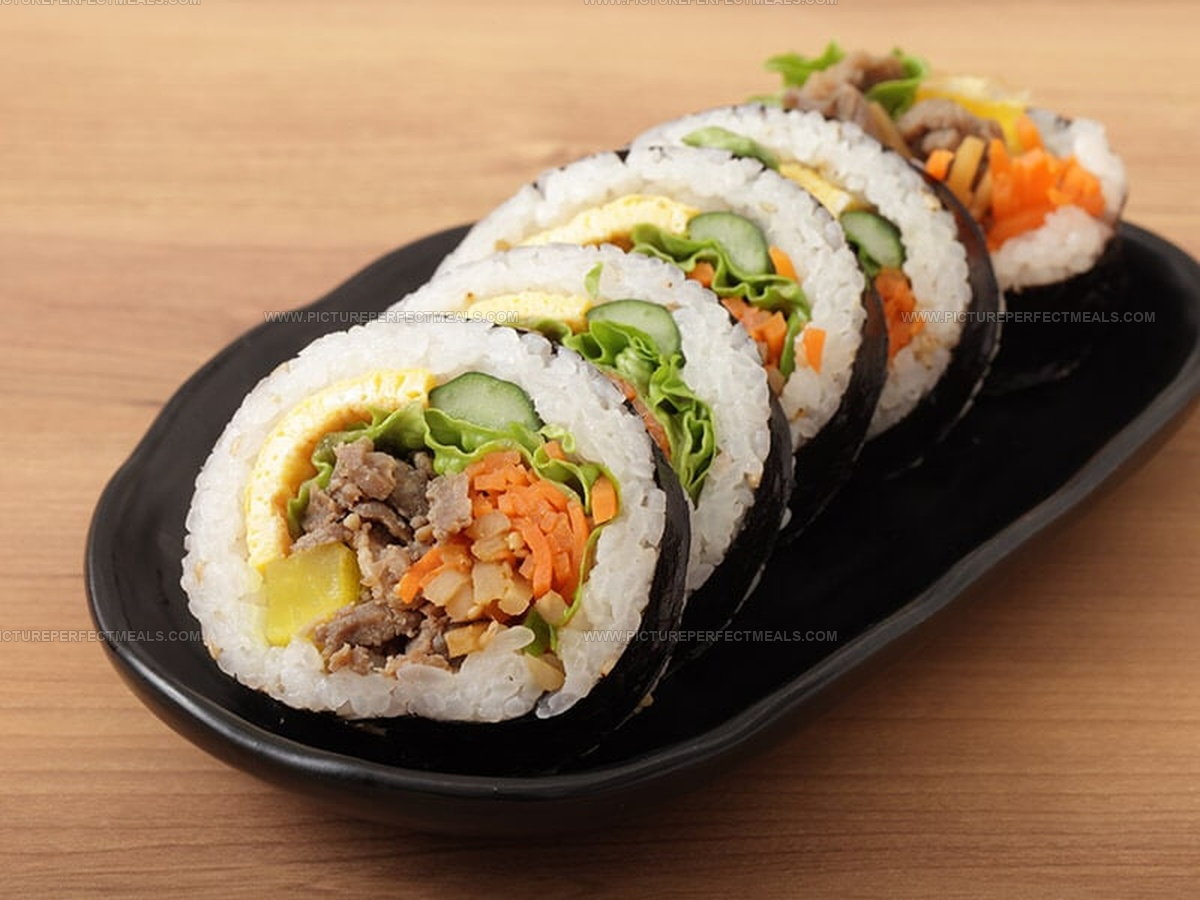
Gimbap is a popular Korean dish made by rolling steamed rice, fish, vegetables, and meat in seaweed sheets. It’s then sliced into bite-sized pieces for easy eating.
The combination of soft rice and crunchy veggies makes it very tasty and fun to eat. Some say Gimbap started during Japanese rule, while others believe it dates back to the Joseon era.
Either way, it’s a must-try Korean classic.
Naengmyeon
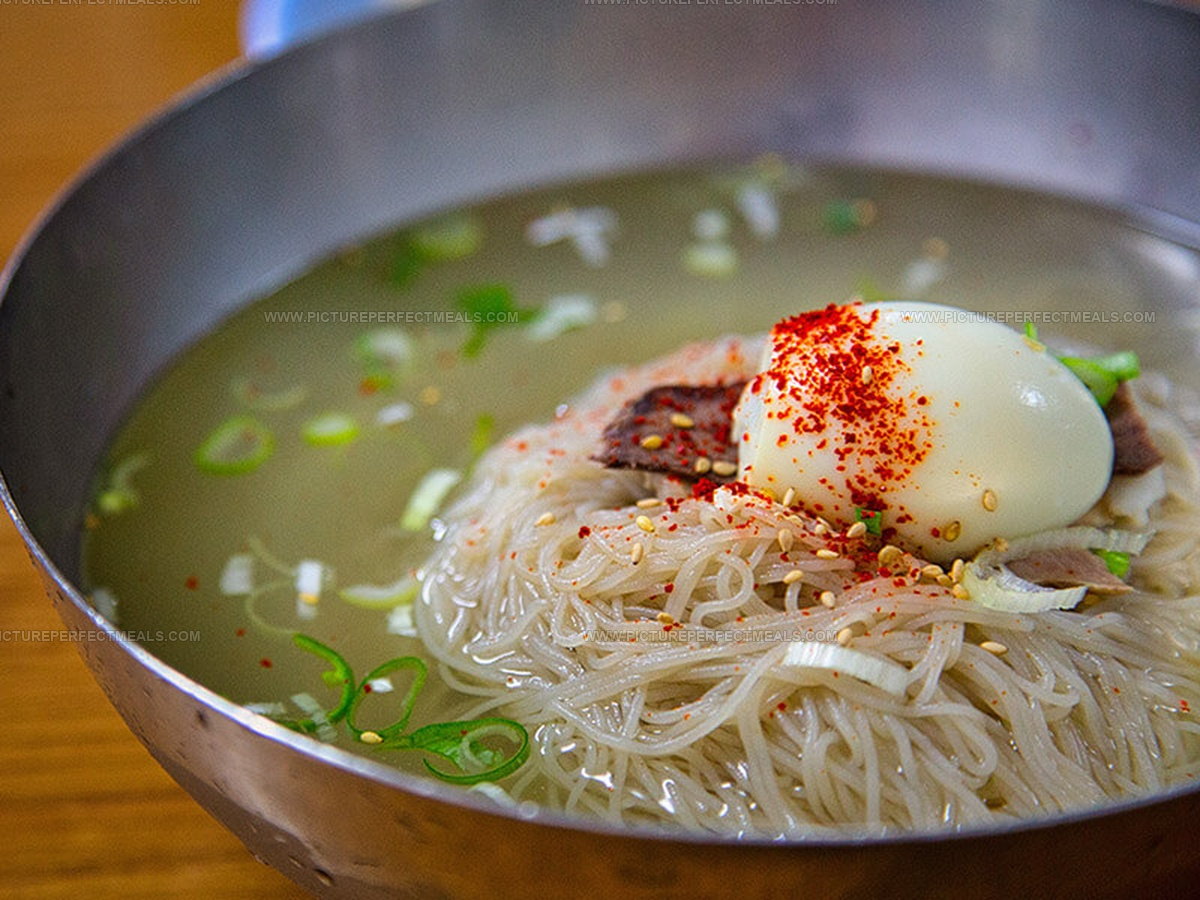
Naengmyeon is a refreshing Korean cold noodle dish, perfect for hot summer days. Made from flour, buckwheat, or potato starch, these noodles are long and chewy.
Traditionally served in a cold broth with cucumbers, pear slices, boiled eggs, and ice cubes, it cools you down instantly. This dish started in North Korea and became popular across Korea after the Korean War.
Kimchi Jjigae
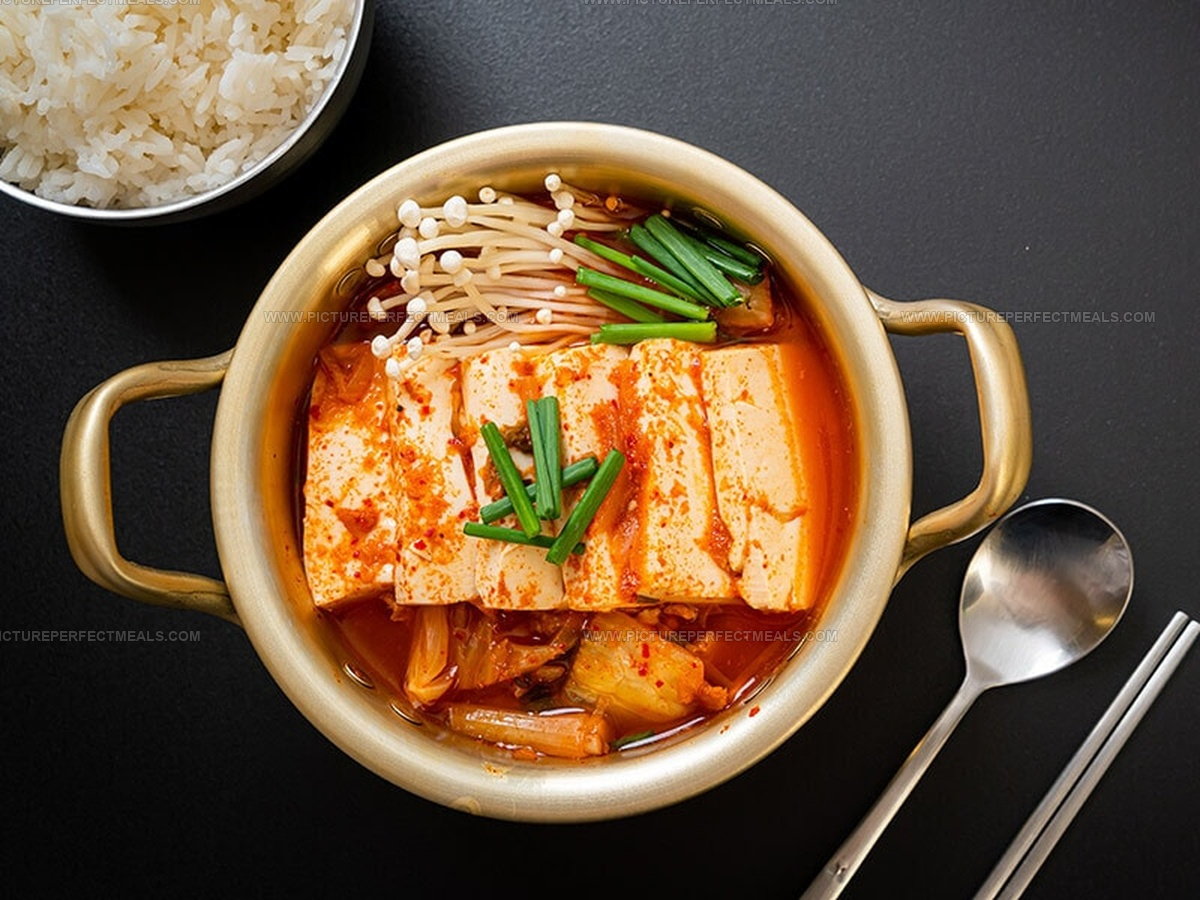
Kimchi Jjigae is a spicy Korean stew that’s a staple at every Korean meal. It’s made with kimchi, pork, tofu, seafood, and vegetables, offering a warm and comforting flavor.
There are many variations - some use tuna (Chamchi Kimchi Jjigae), others add hot dogs and cheese (Budae Jjigae), or Pacific saury fish (Ggongchi Kimchi Jjigae). It’s perfect for colder days and easy to customize.
Bulgogi
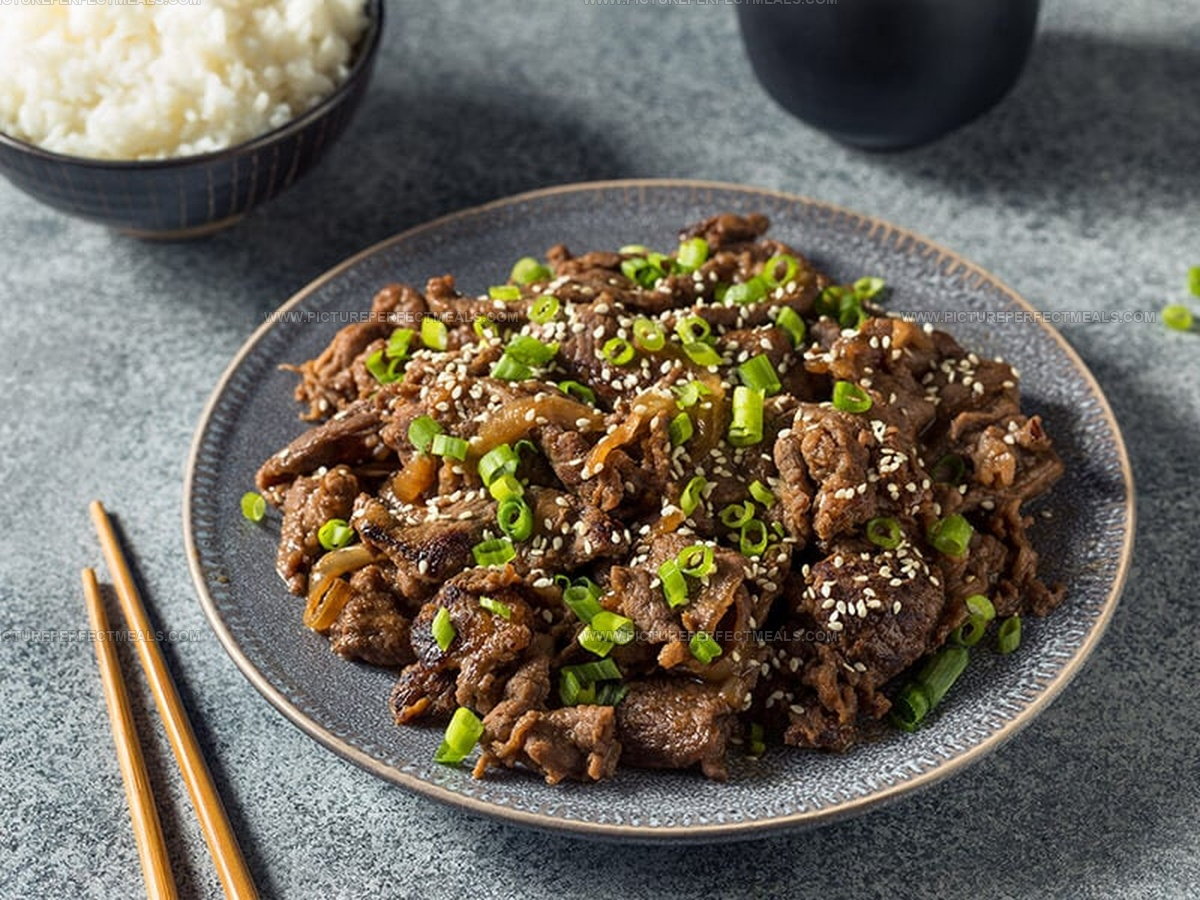
Bulgogi is a classic Korean grilled beef dish loved by many. Thin slices of beef are marinated in a sweet and savory mix of soy sauce, sugar, sesame oil, and spices, then grilled on a stove-top or BBQ.
This tender and flavorful dish has been enjoyed since the Goguryeo era and is often eaten with fresh vegetables.
Most Popular Japanese Food You Have To Try
Japanese flavors can bring an exciting twist to your home cooking without much effort. These recipes deserve a spot in your cookbook right now.
Udon
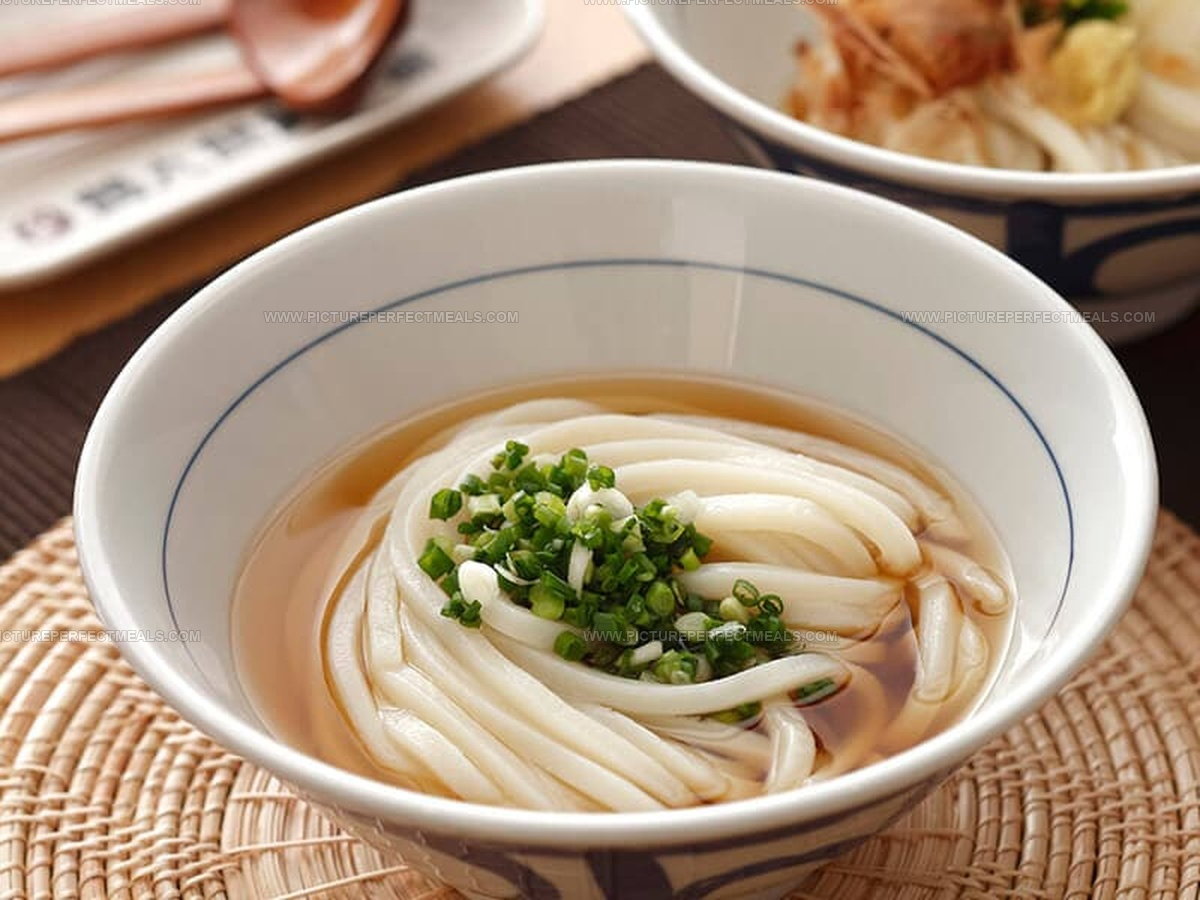
Udon is a must-try Japanese noodle dish made from thick, soft wheat noodles. It’s usually served in a light, flavorful broth made with soy sauce, rice wine (Mirin), and Dashi (fish stock).
You can enjoy Udon hot in winter or cold in summer. It’s often topped with prawn tempura or sliced fish cake, making it even more delicious.
Sashimi
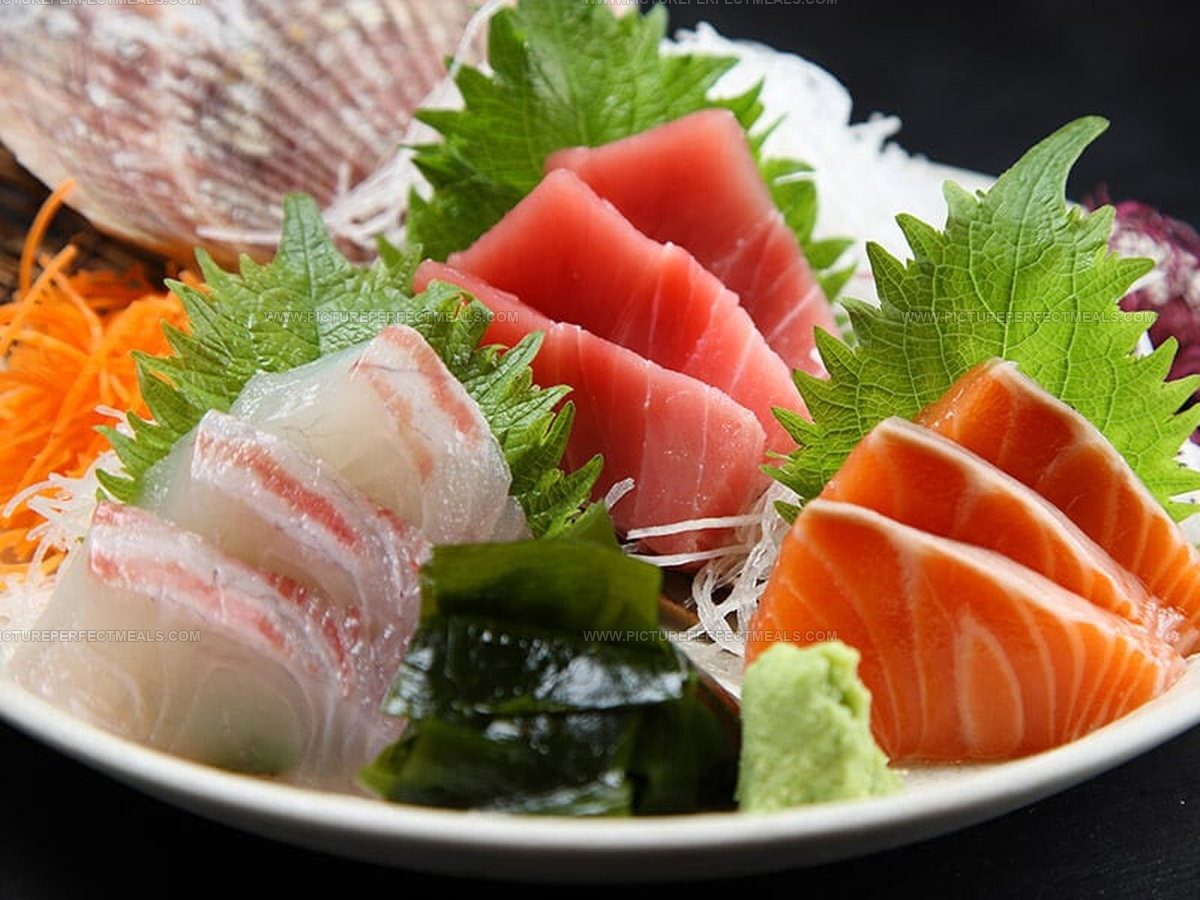
If you love fresh raw fish or meat, Sashimi is a perfect choice. It features thin slices of raw seafood or meat served fresh and tender.
Usually eaten with soy sauce, it’s often accompanied by fresh ginger, wasabi, or garlic for extra flavor. The dish is beautifully presented with garnishes like shredded radish.
Ramen
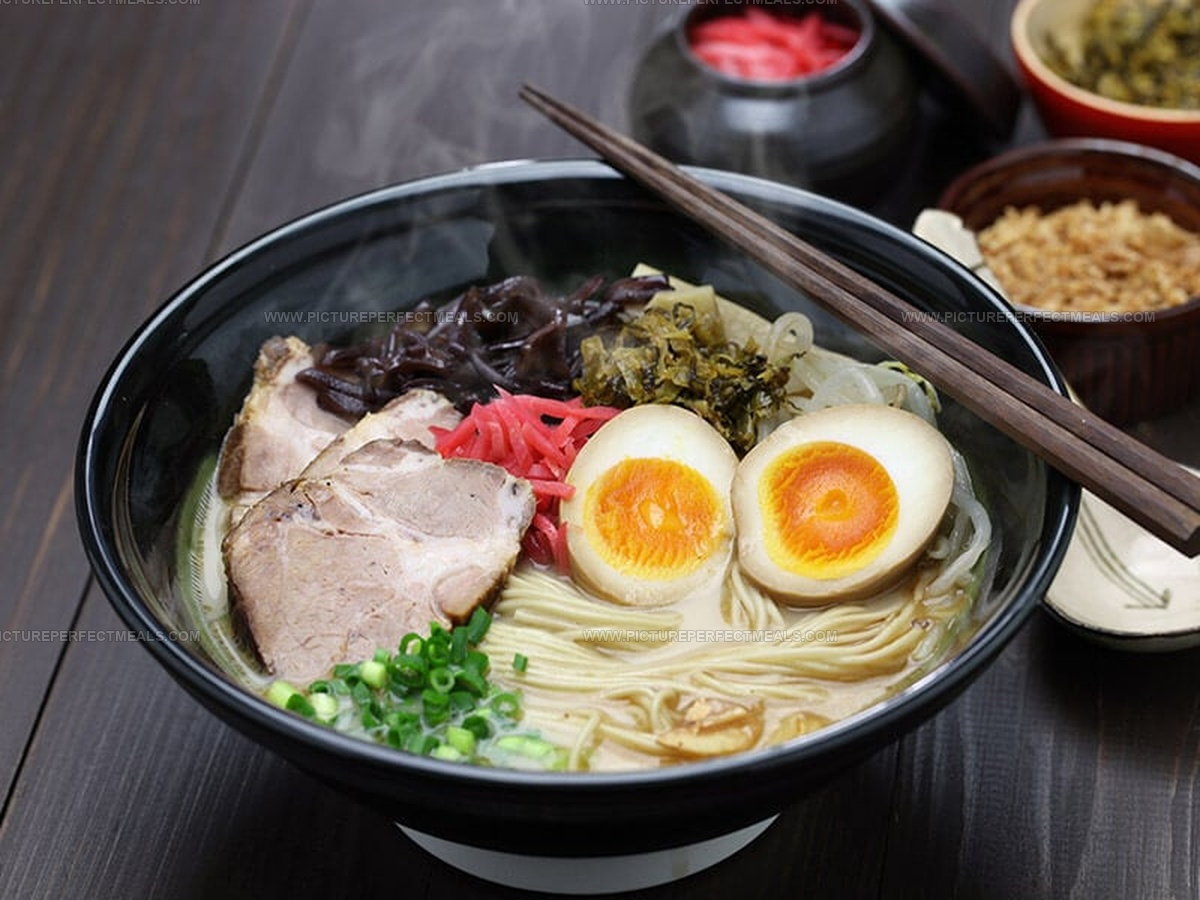
Ramen is a famous Japanese noodle soup with Chinese-style wheat noodles in a rich, meat-based broth. You’ll often find flavors like miso or soy sauce in the broth.
Toppings typically include sliced pork, green onions, and dried seaweed. This comforting dish is a favorite across Japan.
Oden
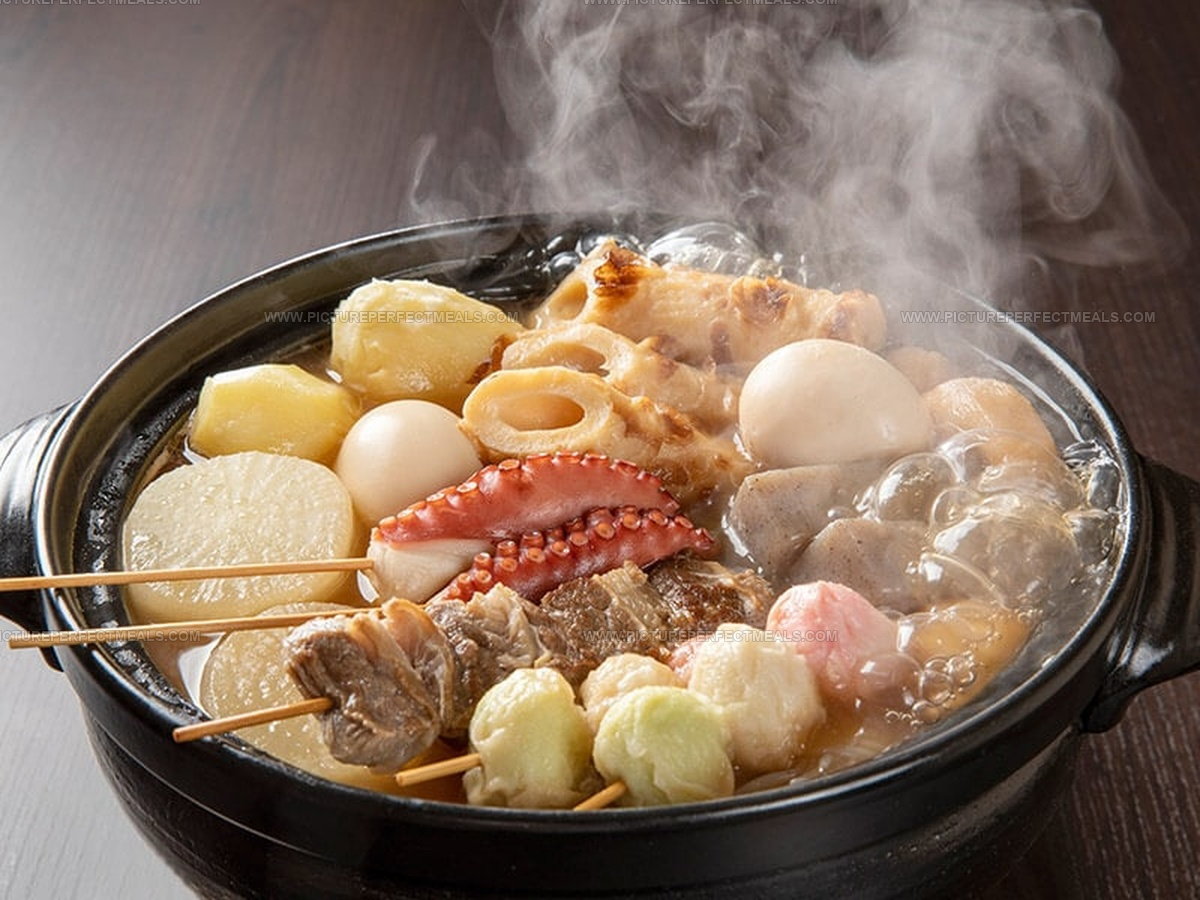
Oden is a popular one-pot Japanese stew, especially loved during cold weather. It includes boiled eggs, konjac, radish, fish cakes, and is cooked in a flavorful Dashi broth.
Originally made with tofu and miso, modern Oden is commonly found at food stalls and convenience stores, making it an affordable and warming meal.
Got Questions? We’ve Got Solutions
1. Is Korean food spicier than Japanese food?
Yes, Korean cuisine generally features more spicy dishes thanks to gochujang (red pepper paste) and gochugaru (red pepper flakes). Japanese food tends to be milder, focusing on umami flavors rather than heat.
2. Which cuisine uses more fermented ingredients?
Both cuisines feature fermentation, but Korean food relies more heavily on it with kimchi, doenjang (soybean paste), and gochujang. Japanese cuisine uses fermented ingredients like miso, soy sauce, and sake, but usually in more subtle ways.
3. Are rice portions bigger in Korean or Japanese meals?
Japanese meals typically feature rice as the centerpiece with smaller side dishes, while Korean meals often include rice as just one component alongside many banchan (side dishes). Japanese rice is also stickier than the medium-grain varieties common in Korea.
4. Which cuisine has more vegetarian-friendly options?
Japanese cuisine offers more naturally vegetarian options like vegetable tempura, vegetable sushi, and tofu dishes. Korean food traditionally incorporates fish sauce or meat in many dishes, though temple cuisine provides excellent vegetarian alternatives.
Jenna Hartley
Founder & Recipe Creator
Expertise
Education
Box Hill Institute, Melbourne
William Angliss Institute, Melbourne
Jenna is the heart of Picture Perfect Meals, turning simple ingredients into beautiful, easy‑to‑make dishes.
Growing up around family meals in Melbourne, she trained at Box Hill Institute and then perfected her pastry skills at William Angliss Institute. She loves mixing classic Australian flavors with fresh ideas to keep cooking fun and stress‑free.