
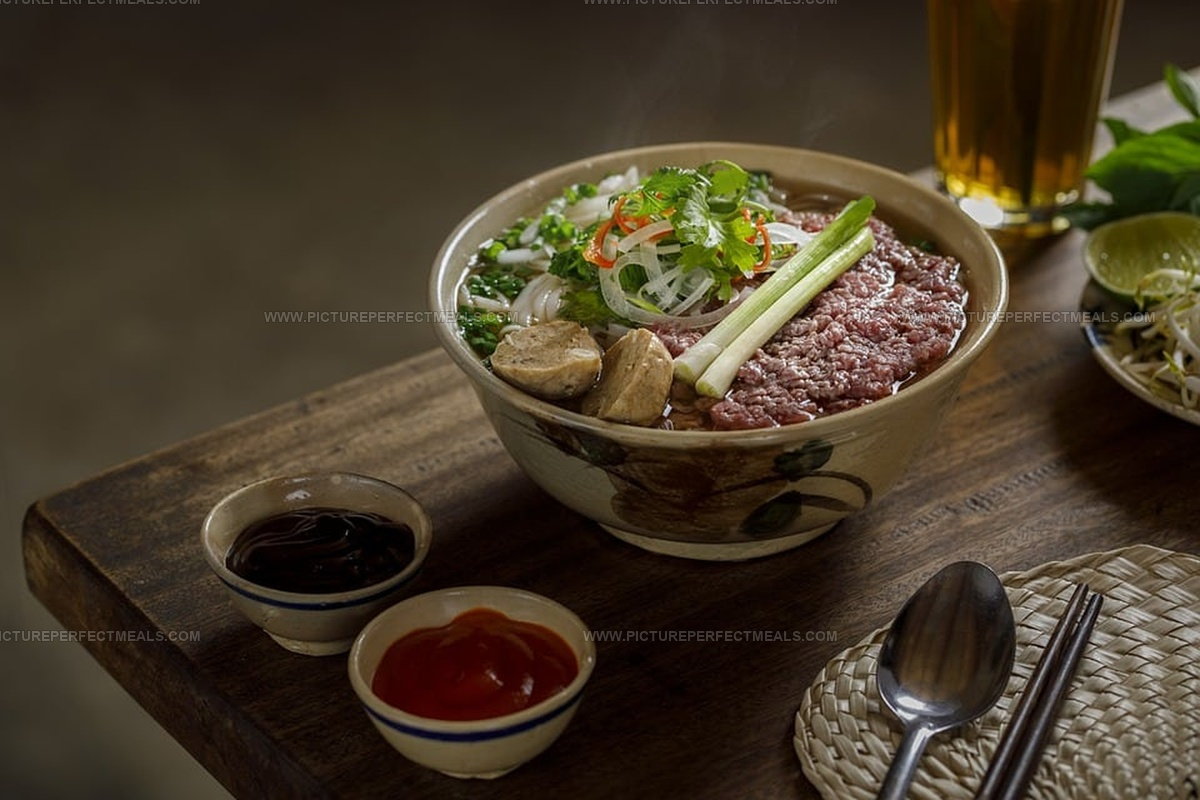
What Does Pho Taste Like? Dive Into This Soul-Warming Soup

Pho, a beloved Vietnamese soup, has captured the hearts of food enthusiasts worldwide with its complex and intriguing flavor profile.
Curious diners often wonder about the magical combination of ingredients that make this dish so special.
The steaming bowl carries a rich history deeply rooted in Vietnamese culinary traditions.
Fragrant herbs, tender meat, and delicate rice noodles create a symphony of textures that dance on your palate.
Beyond its visual appeal, pho offers a sensory experience that goes far deeper than mere sustenance.
Restaurants and street vendors across Vietnam have perfected this culinary art over generations, each adding their unique touch.
Let's unravel the delicious mystery behind this iconic soup that continues to tantalize taste buds around the globe.
What Is Pho?
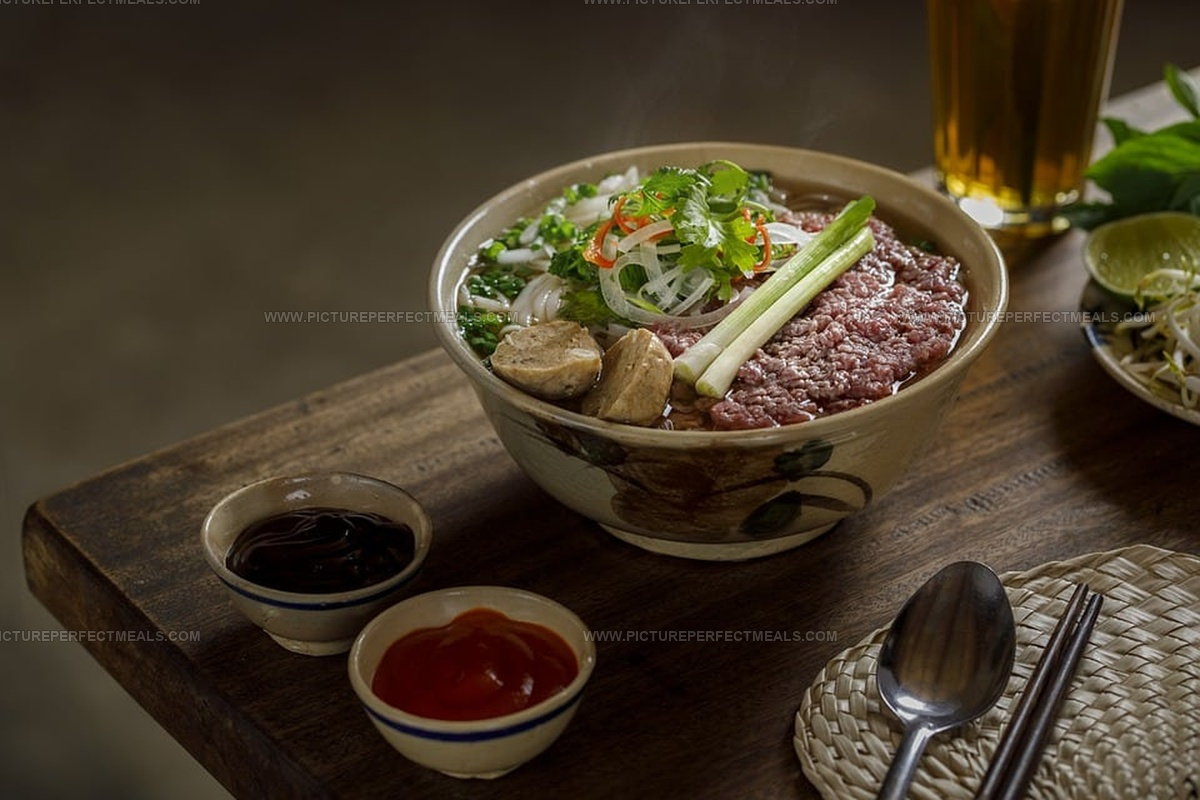
Pho connects deeply with Vietnam's street food culture.
Street vendors in Vietnam often serve this popular meal during breakfast hours.
Many international visitors recognize pho as a signature dish representing Vietnamese cuisine.
What started as simple street fare has grown beyond small stalls and now appears in fancy restaurants across Vietnam.
Pho goes far beyond a morning meal.
While some might compare it to other noodle soups, pho stands in its own category.
Rice noodles differ from wheat noodles found in ramen, making pho a unique eating experience.
Flavor of Pho
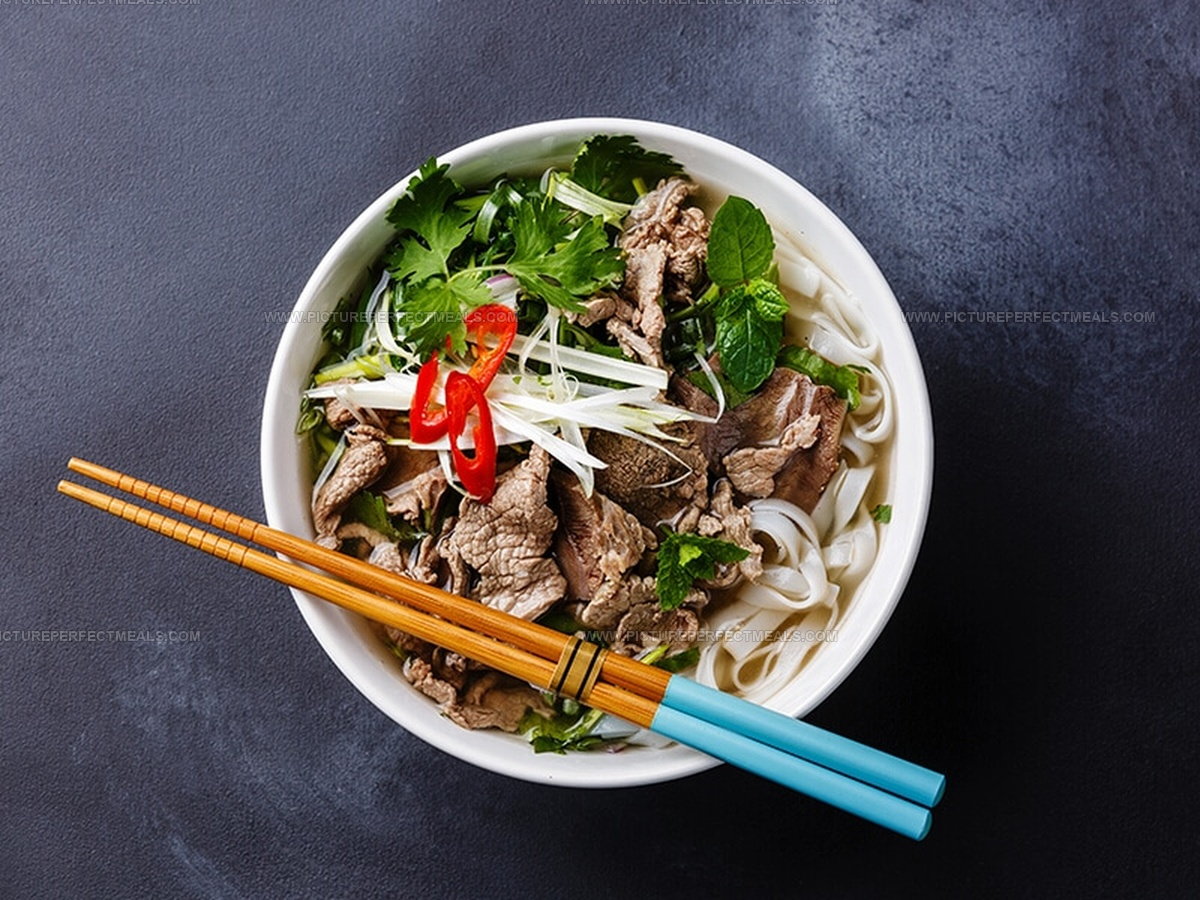
Pho boasts a rich and intricate flavor profile packed with unique ingredients in one bowl.
Soup carries hints of chicken or beef stock mixed with meat slices, noodles, and Thai basil leaves dancing with lime and ginger notes.
Crunchy bean sprouts provide extra texture to each spoonful.
Southeast Asian cuisine shares similar noodle dishes with Pho.
Recipes often include noodles and beef as standard components.
Ramen and Pho might seem alike to some people, but they differ significantly in preparation and taste.
Rice sticks in Pho appear opaque, flat, and see-through.
Home cooks experiment with multiple ingredient combinations.
Pho comes with rice noodles and optional beef or chicken options.
Broth contains special spices known for healing qualities.
Chefs select fresh whole herbs and vegetables instead of ground spices, which helps balance flavors and boost nutritional value.
Is Pho Unhealthy?
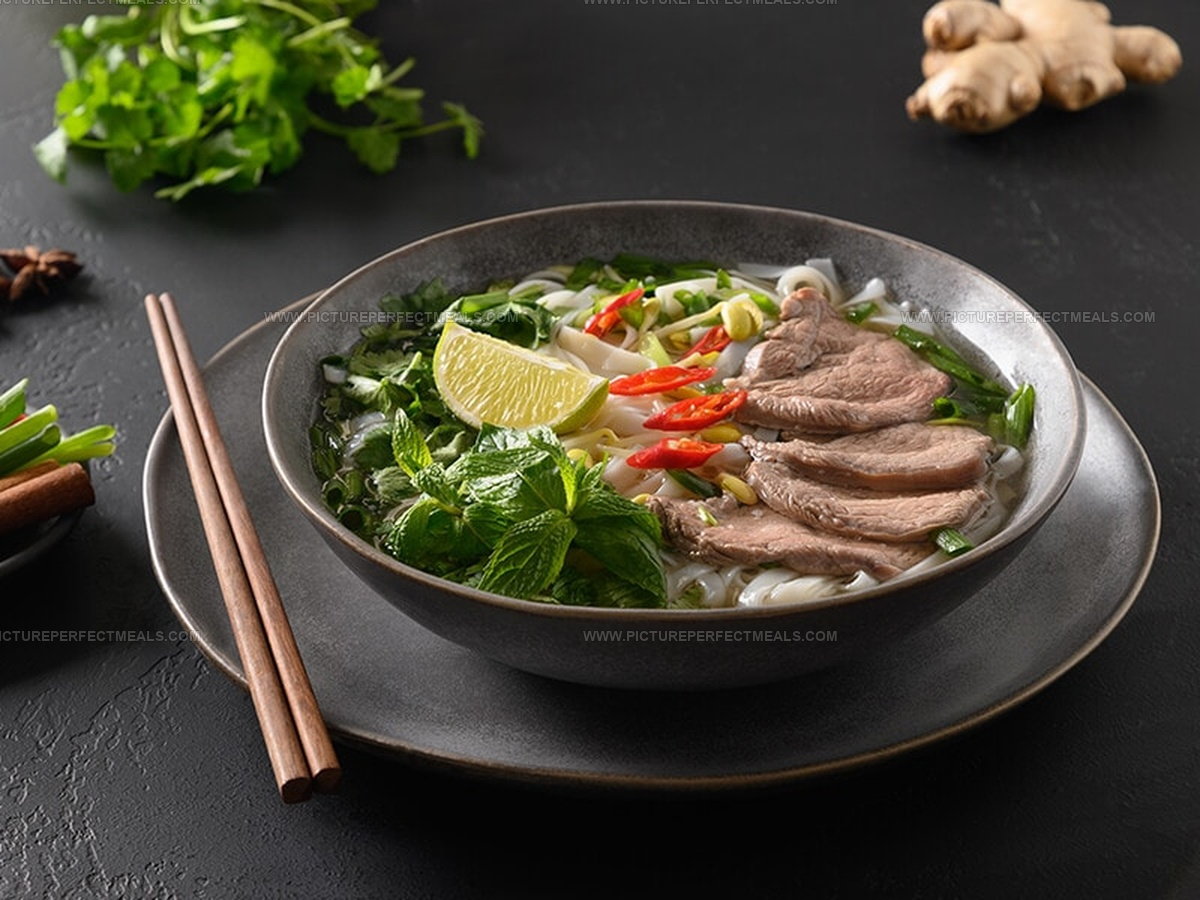
Health experts note this dish offers good nutrition through its helpful ingredients and protein.
People who enjoy pho might see benefits like less body swelling and better joint movement.
Salt and calorie levels mean people should watch how much they eat.
Pho works well as part of a balanced meal plan.
People often wonder about pho's special taste.
Star anise, a brown spice with eight points, brings a soft licorice hint to soup broth.
Umami flavor comes from special items like fish sauce and dried scallops that add deep taste layers to the meal.
Nutritional Benefits of Pho
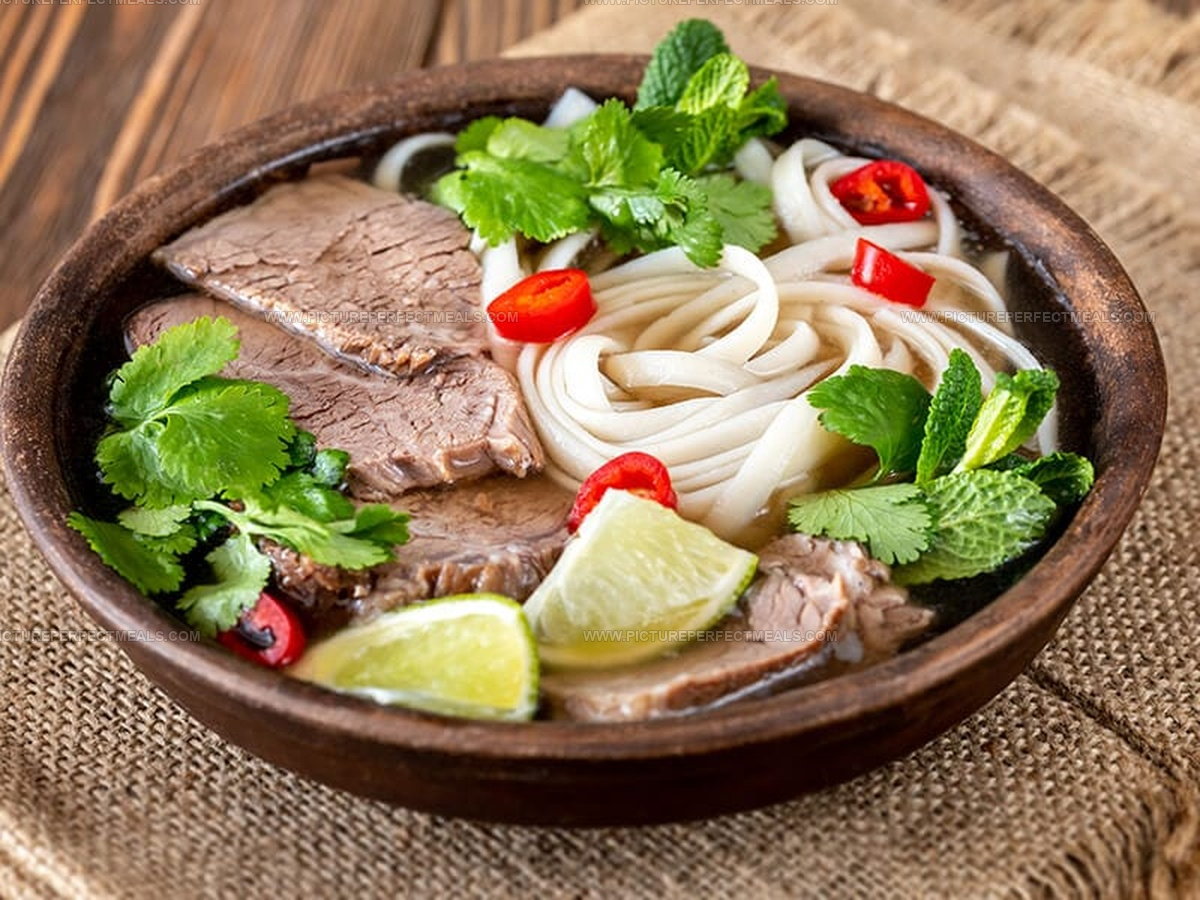
Vietnam's national dish is pho.
People see it as a simple soup with noodles and toppings, known for its look, taste, and health benefits.
Pho comes with a bonus for people who avoid gluten.
Rice noodles make this soup safe for those with gluten sensitivities.
Anyone worried about gluten can enjoy this dish without stress.
Herbs in pho pack a serious nutritional punch.
Chefs always include basil and cilantro when making this soup.
Both herbs contain polyphenols, which might help fight serious health problems like cancer and heart disease.
Scientists aren't completely sure how much health benefit comes from pho's herbs, but eating this soup could help people take in more helpful compounds.
Bone broth and ginger play important roles in pho's recipe.
Bone broth might support joint health.
Small amounts of collagen, glucosamine, and chondroitin could help protect body joints.
Ginger brings its own health perks to the soup.
This special ingredient contains gingerol, which fights inflammation and works as an antioxidant.
People with joint pain might find some relief from this natural ingredient.
Protein lovers will appreciate pho's nutritional profile.
One cup contains about 15 grams of protein.
Protein helps build important body parts like muscles, skin, hormones, and organs.
Types of Pho Soup
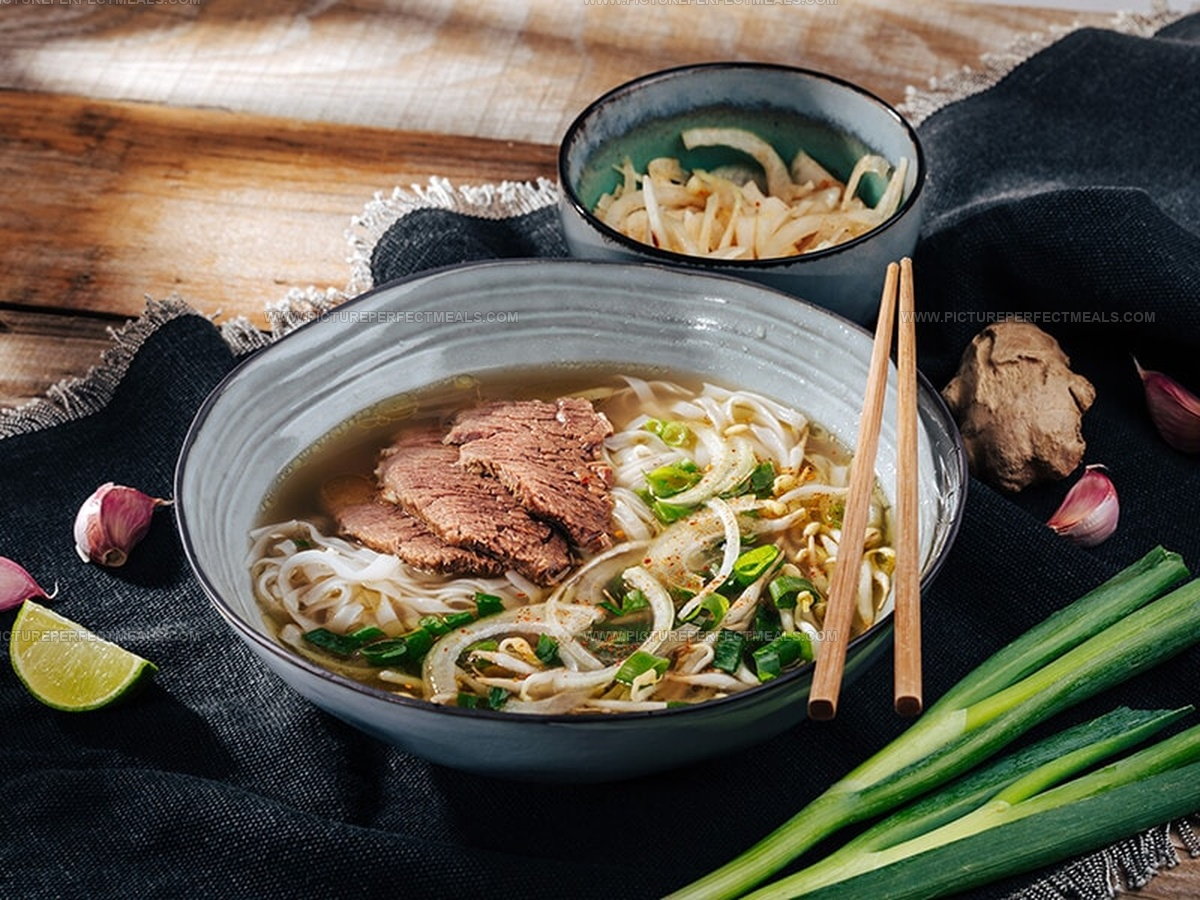
Pho comes in many styles. Vietnamese speakers usually say fuh, but some regions say foe.
Pho features three main noodle soup types: beef (pho bo), chicken (pho ga), and vegetarian (pho chay). Shrimp noodle soup is called hu tieu, and octopus is not considered a traditional option.
Beef pho remains most popular and can be ordered with different meat cuts. Several beef pho variations include:
Pho vs. Ramen Differences
Ramen comes from Japan, while pho originates in Vietnam. These noodle soups have unique characteristics.
Vietnamese cooks created pho when Chinese immigrants brought rice noodles and French colonists introduced beef to northern Vietnam. Japanese chefs developed ramen after Chinese immigrants arrived with wheat noodles.
Over time, ramen became a signature Japanese meal.
People in Western countries now enjoy both dishes more than ever before.
Key differences exist between pho and ramen. Pho allows diners to select beef cuts with chicken or beef broth.
Ramen offers three regional broths and multiple toppings.
Noodle types differ significantly:
Pho feels light and fresh, while ramen provides a heartier eating experience.
Both soups remain popular in their home countries. Local people enjoy these affordable meals everywhere.
Pho orders let you customize meat selections and select specific herbs and spices.
Ramen choices include:
Ways to Eat Pho
Pho stands out as a beloved Vietnamese soup with unique flavors and traditions.
People love this dish for its rich mix of vegetables and herbs.
Many consider it a healthy meal option packed with nutrients.
Folks in the United States have embraced pho as a delicious way to enjoy a satisfying meal.
Popular food culture now includes this tasty soup across many parts of Asia.
Home kitchens in Vietnam often feature pho as a special meal.
Cooks prepare this dish with a perfect balance of carbohydrates, protein, and fresh herbs.
Worldwide food lovers recognize pho as an important culinary creation.
Interestingly, many people struggle to pronounce its name correctly.
Locals say it sounds like "fuh" when spoken in the United States.
Restaurants throughout Vietnam take pride in their local pho styles.
Different regions add their own special touches to the recipe.
Southern pho styles have become especially popular with international food fans.
Wheat noodles give this version its distinctive character, unlike ramen's rice noodles.
Regional differences create unique flavor profiles for each style.
Soup lovers debate the perfect broth consistency.
Ramen tends to have a thinner broth with egg additions.
Meat and toppings play a big role in distinguishing between different soup styles.
Pho carries a more complex background compared to ramen's modern interpretation.
Each version offers its own special blend of flavors and cooking traditions.
Jenna Hartley
Founder & Recipe Creator
Expertise
Education
Box Hill Institute, Melbourne
William Angliss Institute, Melbourne
Jenna is the heart of Picture Perfect Meals, turning simple ingredients into beautiful, easy‑to‑make dishes.
Growing up around family meals in Melbourne, she trained at Box Hill Institute and then perfected her pastry skills at William Angliss Institute. She loves mixing classic Australian flavors with fresh ideas to keep cooking fun and stress‑free.