
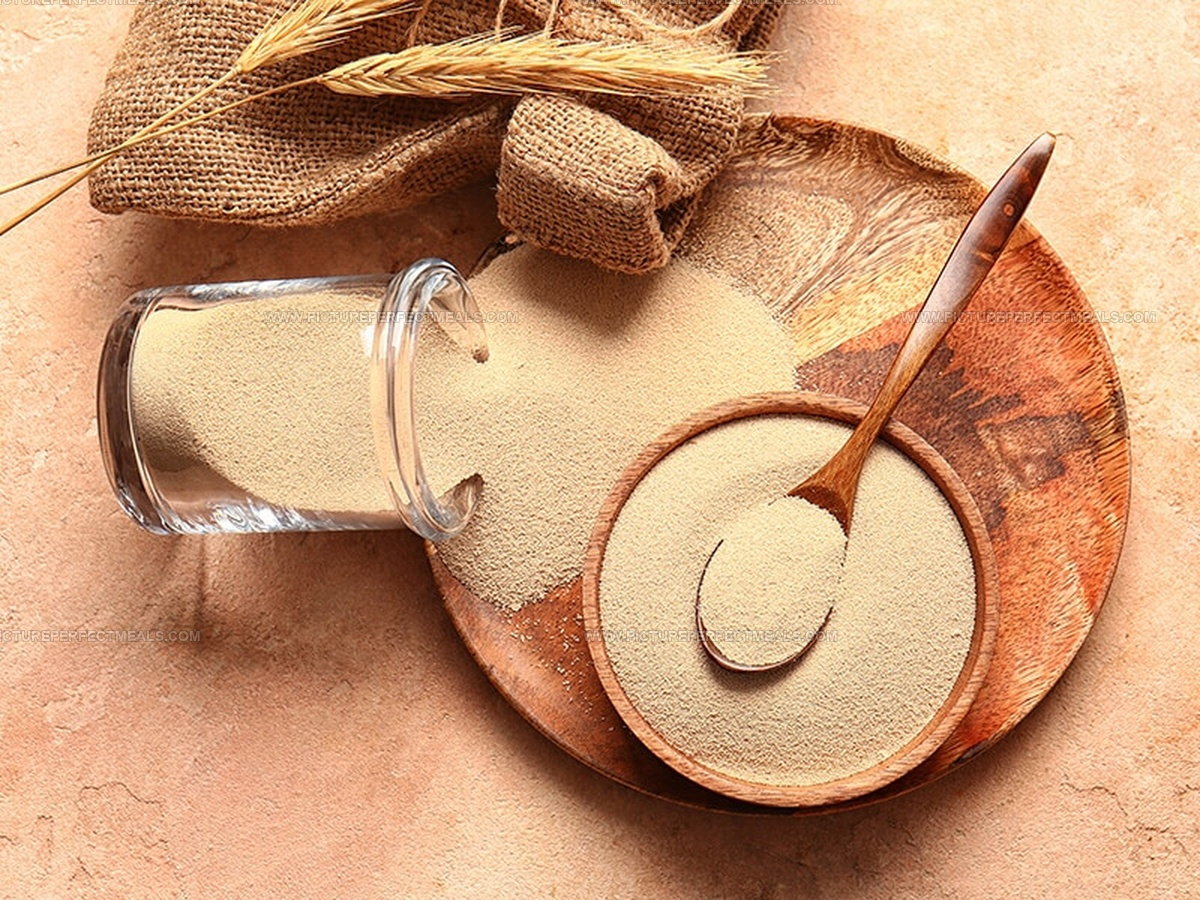
Brewer’s Yeast or Active Dry: Which Should You Use?

Brewers yeast has gained popularity among baking enthusiasts who seek versatile options for creating delicious bread products.
This special ingredient works through fermentation processes to help dough rise beautifully while adding its characteristic flavor notes.
Many home bakers appreciate its reliable performance in various recipes from rustic loaves to soft dinner rolls.
The distinct aroma fills kitchens with that unmistakable fresh-baked scent everyone loves.
Professional bakers often select specific yeast varieties based on the desired outcome for their commercial products.
Each type brings unique properties that affect everything from rise time to final texture in baked goods.
After reading about these fascinating yeasts, you'll understand exactly which one belongs in your next baking project.
A Quick Look at Brewers Yeast
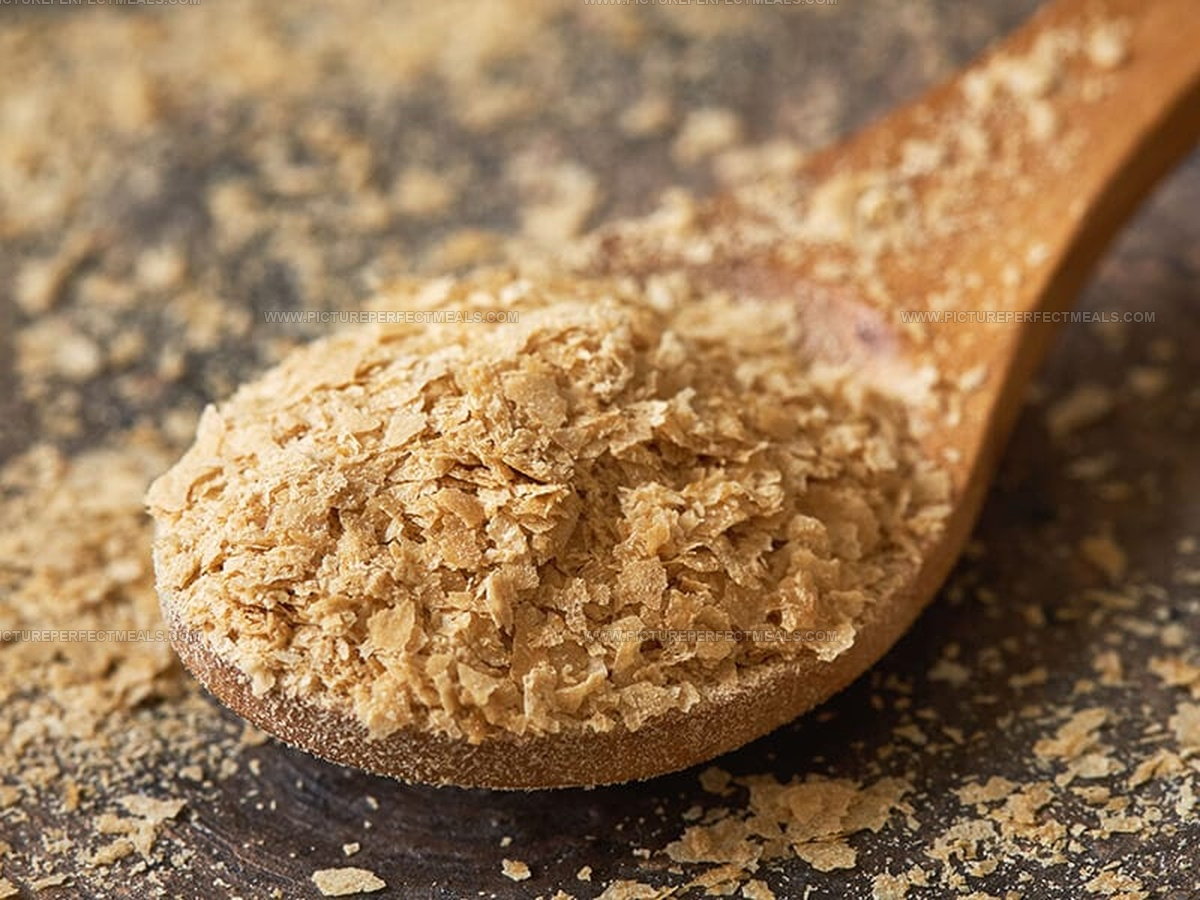
Brewer’s yeast (Saccharomyces cerevisiae) is a single-celled fungus used in beer production to create alcohol and carbon dioxide. It is often a by-product of brewing or grown in nutrient broth and sold commercially in powder, flake, or liquid forms.
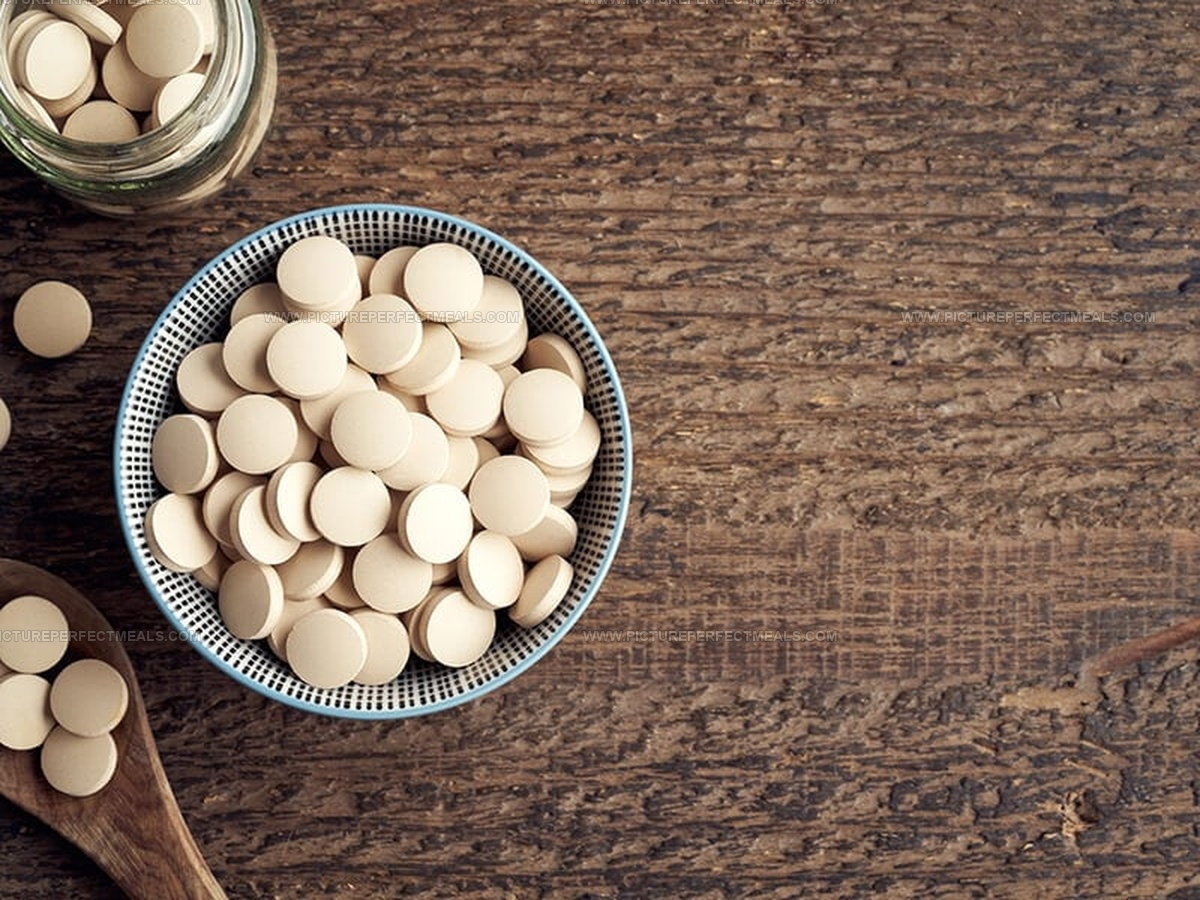
It’s popular as a dietary supplement and food additive, available in health stores. Powders tend to have higher nutrient content than tablets, and pure forms without additives are preferred.
Common Types of Brewers Yeast
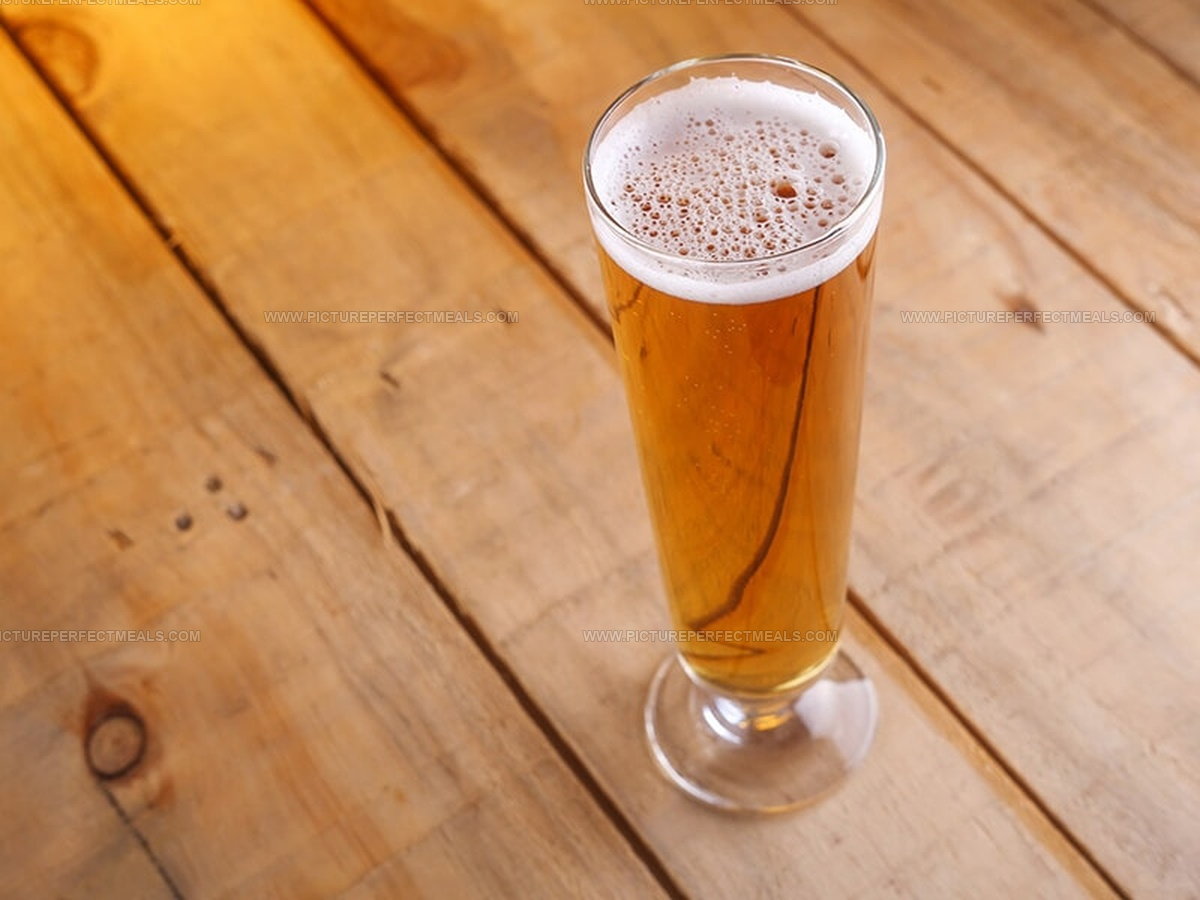
Brewers Yeast or Nutritional Yeast
Nutritional yeast is related but different: it’s grown on sugar beets, molasses, or whey, has a cheesy, savory flavor, and is favored in vegan cooking as a cheese substitute. Brewer’s yeast is more bitter in taste.
What is Active Dry Yeast?
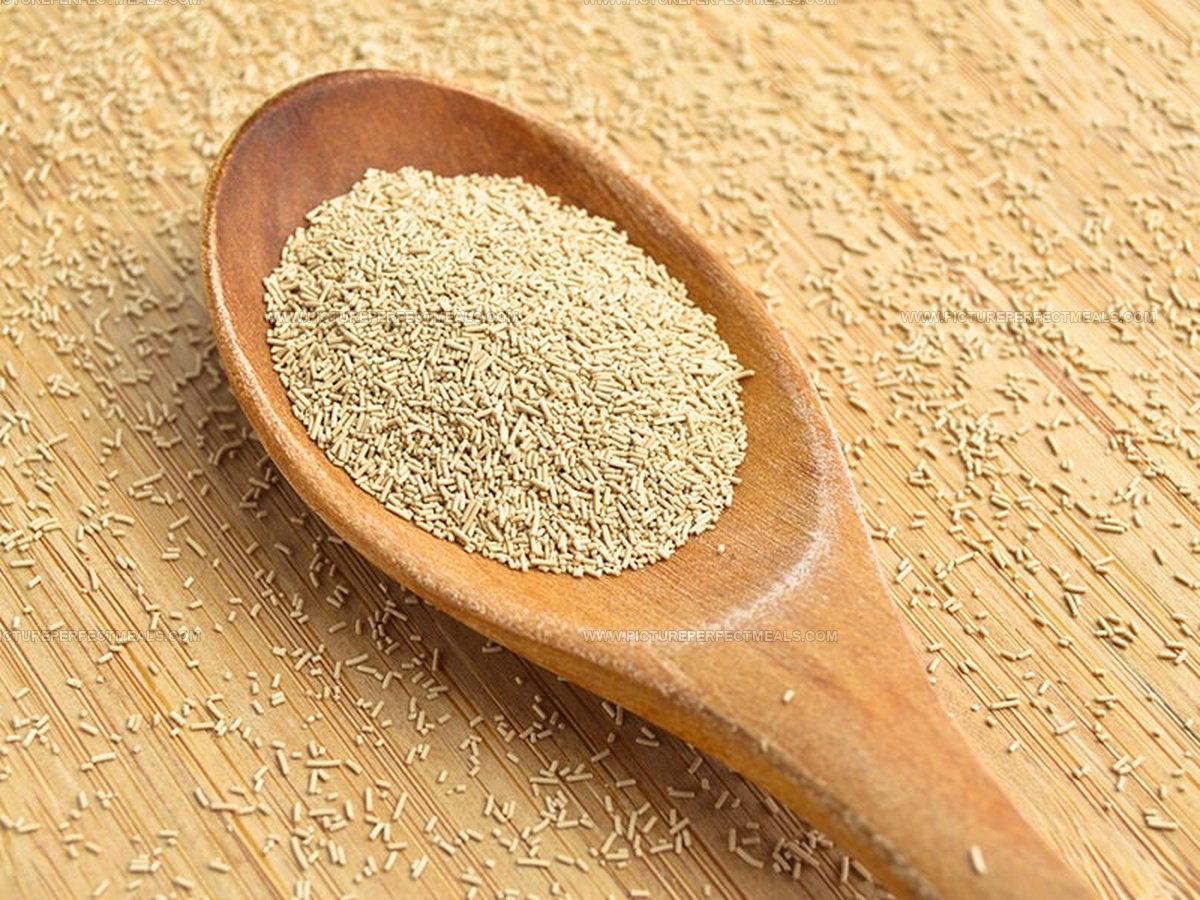
Active dry yeast comes from the same fungus as brewer’s yeast (Saccharomyces cerevisiae) but is partly dehydrated to stop fermentation, sold as granules resembling cornmeal in packets or jars.
It needs to be proofed (activated in warm water) before use, which creates a foamy, bubbly mixture with a mild wheat or beer scent.
A typical yeast packet weighs about 7 grams (2¼ teaspoons), which is usually the right amount for one bread recipe, making measuring easy if tools aren’t handy.
Always check the expiry date on the yeast package to ensure it’s still active; using expired yeast can ruin your baking efforts.
Key Differences Between Brewer’s and Active Yeast
Check out below table to learn the differences between brewer's and active yeast.
| Feature | Brewer’s Yeast | Active Dry Yeast |
| Other Names | Medicinal yeast, beer yeast | None |
| Appearance | Liquid, powders, flakes, tablets | Granulated, dehydrated powder |
| Flavor | Bitter (due to hop α-acids) | Nutty, sweet, wheaty, mild yeasty |
| By-products | Large amounts of CO₂ and alcohol | Large CO₂, small amount of alcohol |
| Usage | Baking, brewing, medicinal supplement | Baking |
| Proofing Required? | No | Yes |
| Nutritional Value | Higher in protein, vitamins, minerals | Lower nutrients, higher dietary fiber |
| Shelf Life | Dry: 12-18 months; Fresh: 7-8 days | Unopened: 1-2 years; Opened: 4 months (fridge), 6 months (freezer) |
| Interchangeability | Good, but double amount needed to replace active dry yeast | Good, but flavor and fermentation vary |
| Baking Use Notes | May impart bitterness; ale yeast preferred | Most common for home baking |
| Brewing Use Notes | Essential for beer production, strong flavor | Possible but may cause off-flavors |
Flavors
Active dry yeast comes with a gentle, nutty taste that most people find pleasant in baked goods. This common bread ingredient creates a wonderfully light and airy texture that makes your loaves rise beautifully.
On the other hand, brewers yeast stands out because of its notably bitter flavor profile. The bitterness comes from specific acids that form when hops are processed during beer making.
These acids then soak into the yeast cells throughout brewing, giving brewers yeast that characteristic sharp taste that sets it apart from other varieties used in kitchens around the world.
Proofing Requirement
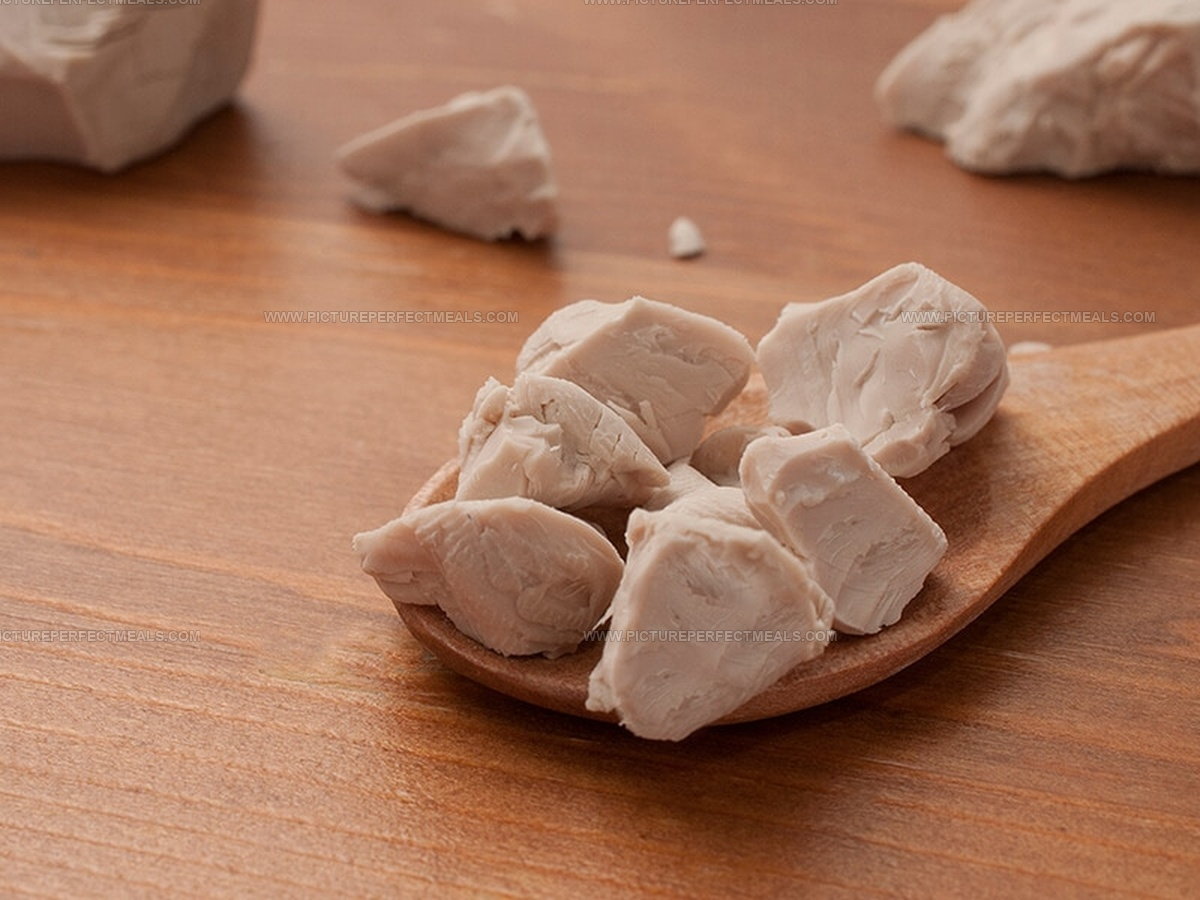
Preparing your bread dough starts with choosing the right yeast. The main difference between active dry and brewers yeast involves one key preparation step.
Active dry yeast needs proofing before use to make sure it's alive and working properly. This extra check helps bakers avoid wasted ingredients and disappointing results.
Brewers yeast, on the other hand, can simply go directly into your mixture along with other dry ingredients without any special preparation. Many home bakers appreciate this time-saving advantage when making quick recipes.
The proofing requirement might seem small, but it can make a big difference in how your bread-making process flows and whether your dough rises as expected.
By-Products
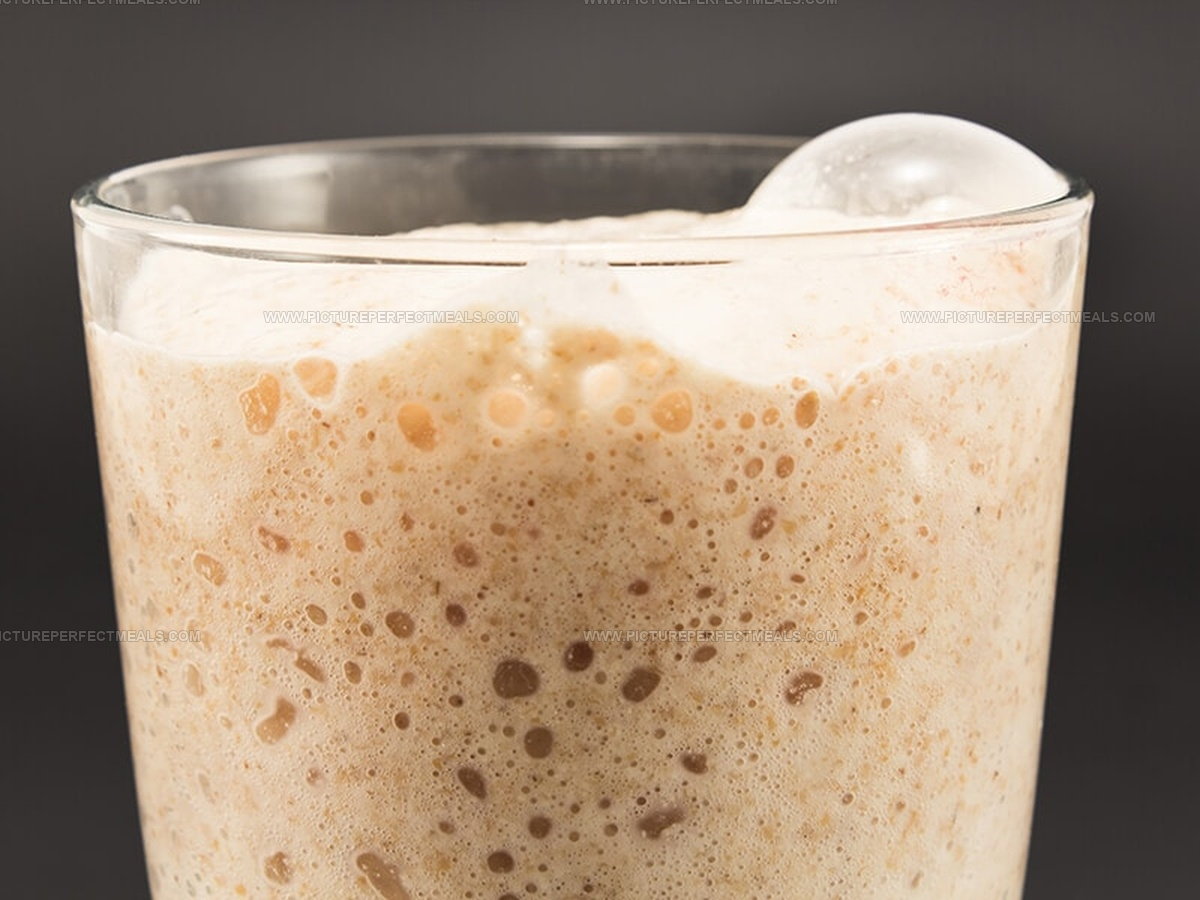
Yeast types from the Saccharomyces cerevisiae family share core traits but serve different purposes in food production. Both kinds work by turning sugar into carbon dioxide and alcohol, though their end results vary quite a bit.
Brewers yeast focuses on making strong alcohol alongside carbon dioxide, making it perfect for beer and wine. Active dry yeast, the kind you'd use for baking bread, mainly generates carbon dioxide with very little alcohol, which helps dough rise nicely without any boozy taste.
The key distinction between these relatives comes down to what they emphasize in their sugar conversion process - one aims for the buzz while the other just wants to help your bread puff up.
Usage
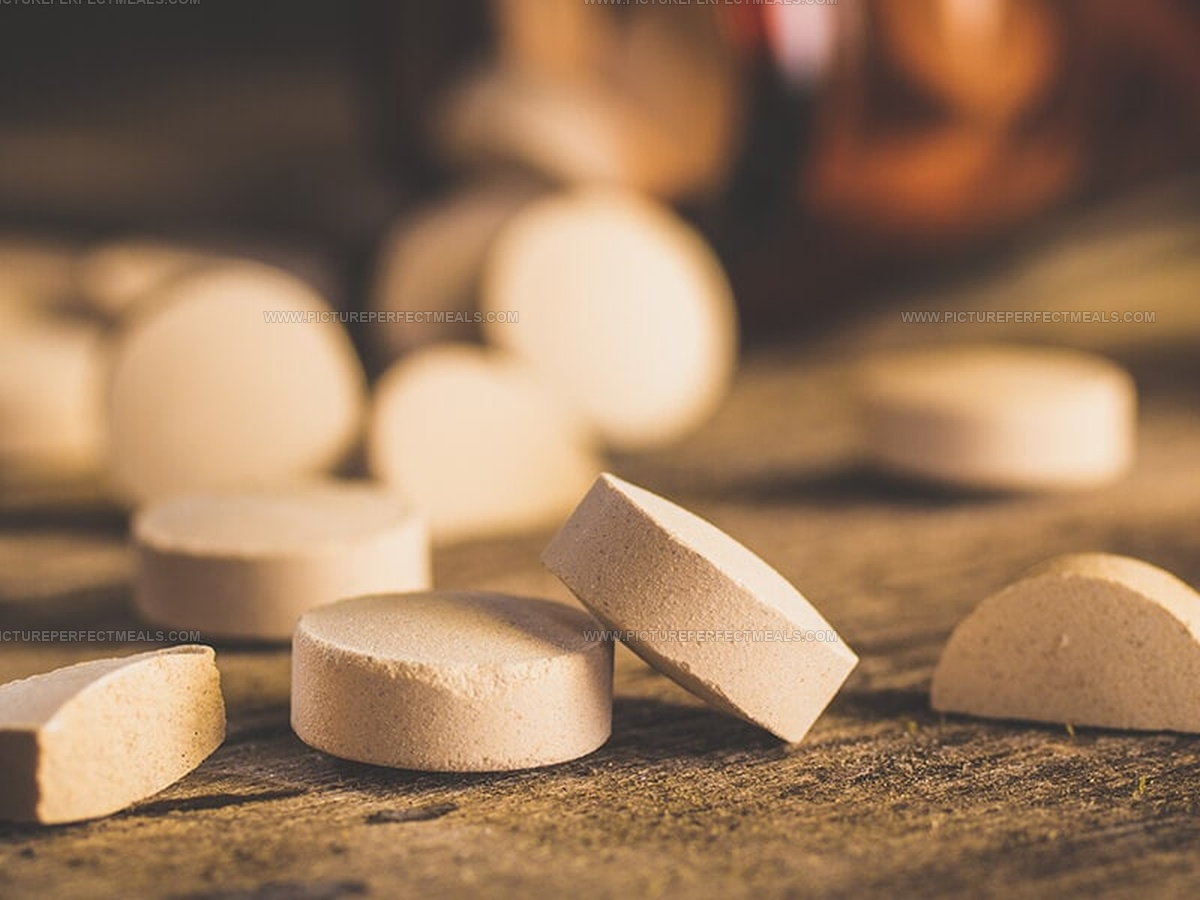
Brewer’s yeast and active yeast differ mainly in their uses and activity. Brewer’s yeast is typically a deactivated yeast used as a nutritional supplement rich in B vitamins and protein; it is consumed in flakes, powder, or tablet form and does not cause dough to rise.
In contrast, active yeast (active dry yeast) is a live yeast culture used primarily in baking and fermentation to leaven dough by producing carbon dioxide, making bread and other baked goods rise. Active yeast comes as granules or pellets that must be activated in warm water before use.
While brewer’s yeast is mostly for health purposes and sometimes a byproduct in brewing, active yeast serves as the essential leavening agent in bread making and fermentation processes.
Nutritional Value
Brewers yeast stands out as the nutritional champion compared to active dry varieties. Though active dry contains fewer calories and more fiber, brewers yeast packs more overall health benefits with its abundant protein, vitamins, and essential minerals.
Many health-conscious individuals turn to brewers yeast for its impressive medicinal properties since it's loaded with B-complex vitamins, chromium, selenium, and numerous other beneficial compounds. The rich mineral content makes brewers yeast a popular supplement choice for people looking to boost their nutrient intake naturally without additional processing or additives.
Some fans of natural remedies even incorporate small amounts into daily meals to take advantage of these nutritional perks in a way that fits seamlessly into their regular eating habits.
Shelf Life
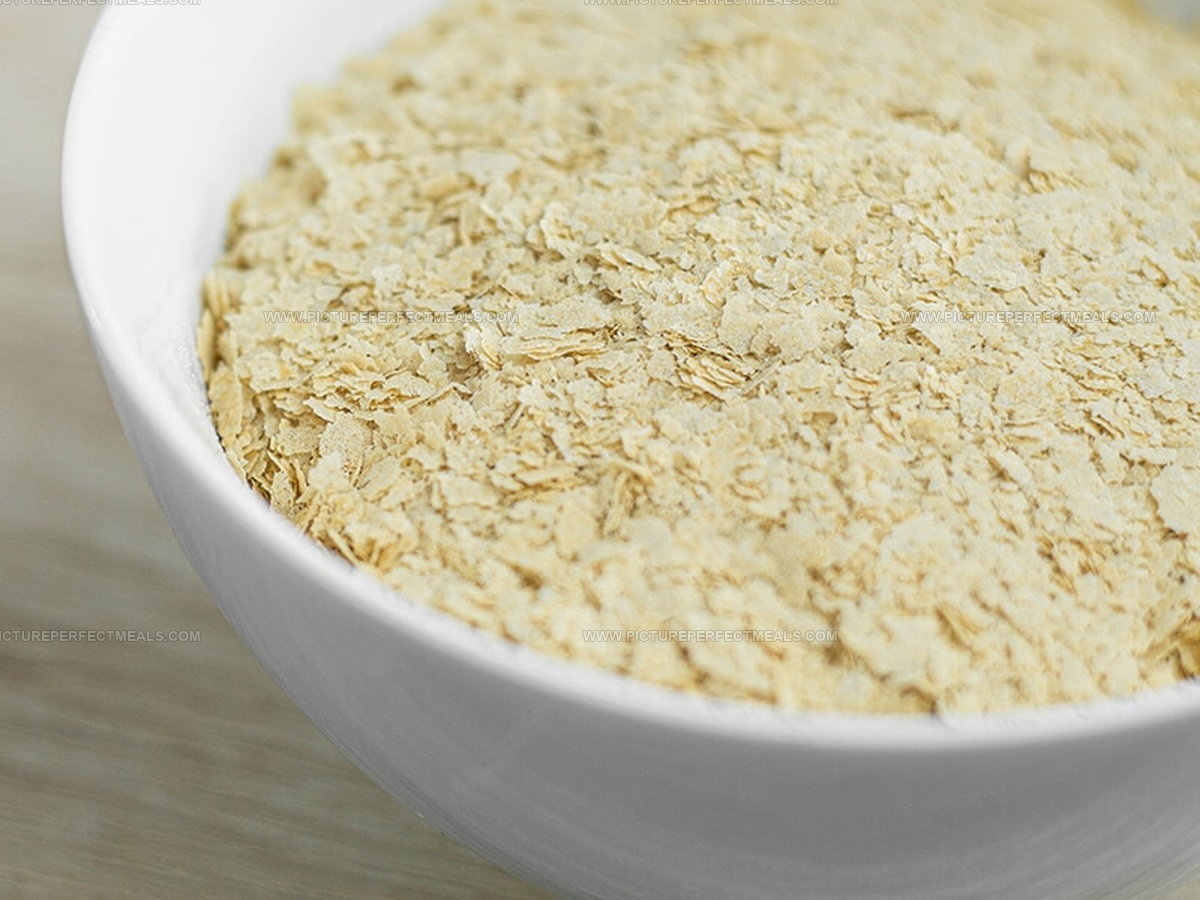
Brewer’s yeast comes in two types: fresh and dry. Each has a different shelf life.
For active dry yeast, the shelf life depends on the packaging:
Interchangeability
They can substitute each other in baking, but brewer’s yeast requires roughly double the amount and may add bitterness. For brewing, active dry yeast can ferment but may cause off-flavors due to milder activity.
Activating Active Dry Yeast
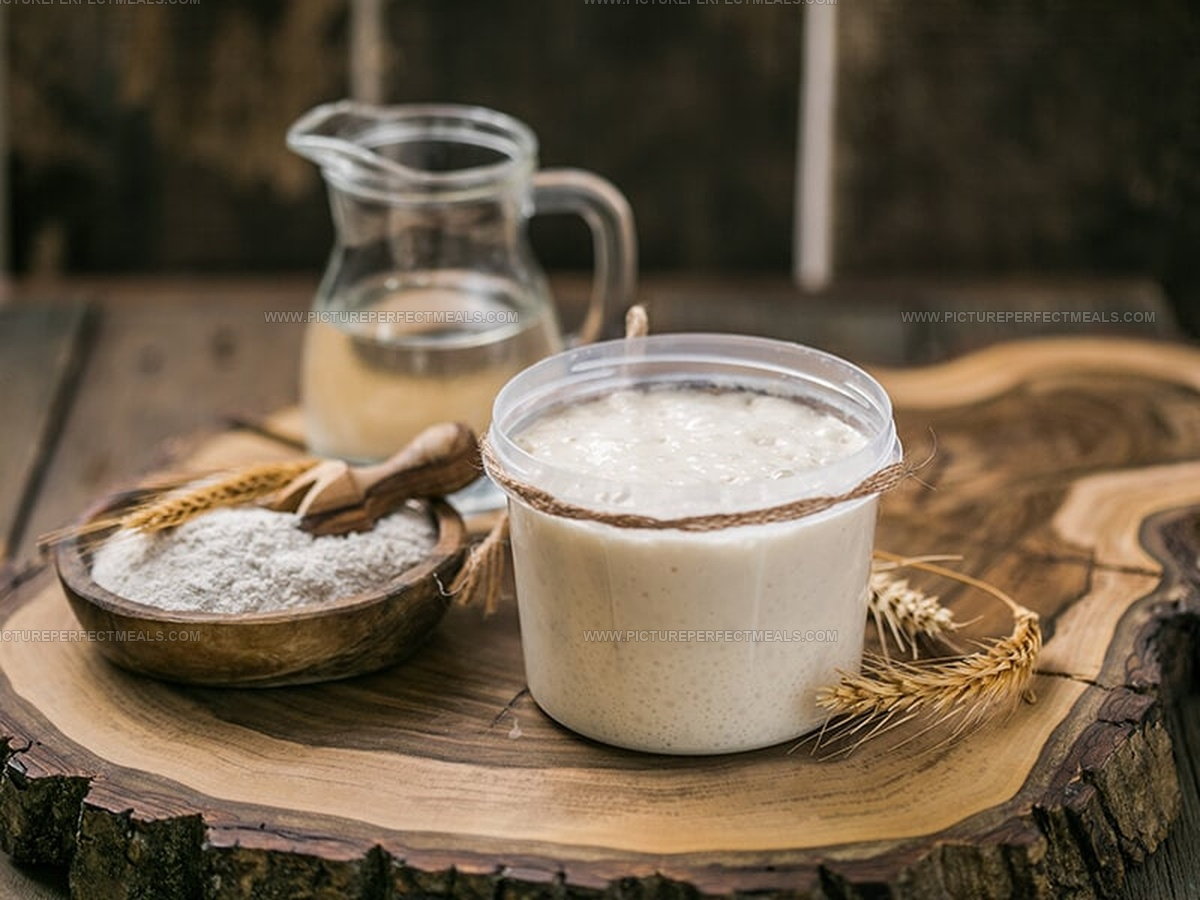
Proofing yeast helps wake it up from its dormant state during commercial production, allowing it to do its job properly. This simple process also lets you check if your yeast is still active before you start baking.
Ingredients
You need to prepare:
Instruction
Tips for Perfect Brewer’s Yeast And Active Dry Yeast
Many bakers find yeast tricky, but learning about it makes baking and brewing easier.
To keep yeast fresh, store it in the freezer - freezing doesn’t harm its effectiveness.
If active dry yeast is unavailable, use these substitutes:
Brewer’s yeast can help boost milk supply but should be limited to 1–2 tablespoons daily or 500 mg for 12 weeks during diarrhea treatment to avoid side effects like bloating or headaches.
Brewer’s yeast is nutrient-rich and used as alternative medicine, but some people may be allergic; consult a doctor if you experience symptoms like chest pain or tightness.
Got Questions? We’ve Got Solutions
1. Can I substitute active dry yeast for brewer's yeast in recipes?
No, they're not interchangeable. Brewer's yeast is primarily used as a nutritional supplement or for brewing beer, while active dry yeast is specifically for baking bread and other baked goods.
2. Is brewer's yeast or active dry yeast healthier?
Brewer's yeast is much more nutritious, containing B vitamins, protein, and minerals. Active dry yeast is mainly used for leavening and doesn't offer the same nutritional benefits.
3. Why does my bread need active dry yeast instead of brewer's yeast?
Active dry yeast contains live yeast cells that produce carbon dioxide when activated, causing dough to rise. Brewer's yeast is typically deactivated and won't make your bread rise.
4. How should I store these yeasts to keep them fresh?
Both should be stored in cool, dry places. Once opened, keep them in airtight containers in the refrigerator. Active dry yeast stays good for about 4 months refrigerated, while brewer's yeast can last up to 2 years.
Jenna Hartley
Founder & Recipe Creator
Expertise
Education
Box Hill Institute, Melbourne
William Angliss Institute, Melbourne
Jenna is the heart of Picture Perfect Meals, turning simple ingredients into beautiful, easy‑to‑make dishes.
Growing up around family meals in Melbourne, she trained at Box Hill Institute and then perfected her pastry skills at William Angliss Institute. She loves mixing classic Australian flavors with fresh ideas to keep cooking fun and stress‑free.